
Orlando drops controversial SoDo shelter plan, Mayor Dyer says
The shelter was slated at a former Orange County Work Release Center
This story is part of a collaborative initiative of independent local news outlets working toward a more informed and engaged Central Florida. Find the collection of stories here.
This story was originally published by the Orlando Sentinel.
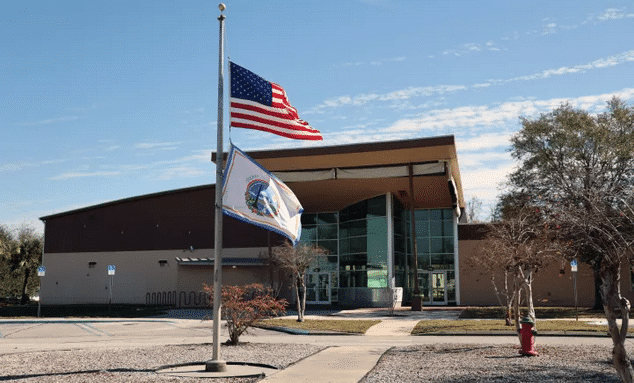
Orlando officials are no longer pursuing a homeless shelter at a former work-release facility in SoDo, Mayor Buddy Dyer told the Orlando Sentinel Monday, after enduring fierce blowback from a neighborhood east of the site.
The about-face on what had seemed to be the most viable new shelter proposal in the region raises deep questions about how Central Florida is ever going to expand its supply of shelter beds, since such proposals almost invariably face not-in-my-backyard protests.
“The neighborhood opposition has just been overwhelming,” Dyer said, adding the city has no current plans to make another run at a new shelter.
The SoDo proposal dates to last year, when city officials proposed turning a county-owned former work release center on Kaley Avenue into a low-barrier shelter with few requirements for adults to enter. An assessment was underway to see how expensive such a conversion would be, though it was ultimately never completed.
The proposal was included last year in a wide-ranging agreement between city and county that sought to resolve a number of outstanding issues between the two agencies. The so-called interlocal agreement tabled the city’s planned annexation of thousands of acres of ranch land in the county, and committed the county to funding hundreds of millions of dollars in renovations to city-owned venues.
Under the deal, the city would have leased the work release center from Orange County for $1 annually, and the two governments would have funded the shelter’s operations jointly.
SoDo homeless shelter plan abandoned
City officials have dropped their plan to locate a homeless shelter at a former work-release center on Kaley Street south of downtown Orlando. Neighbors said it would be too close to their homes.
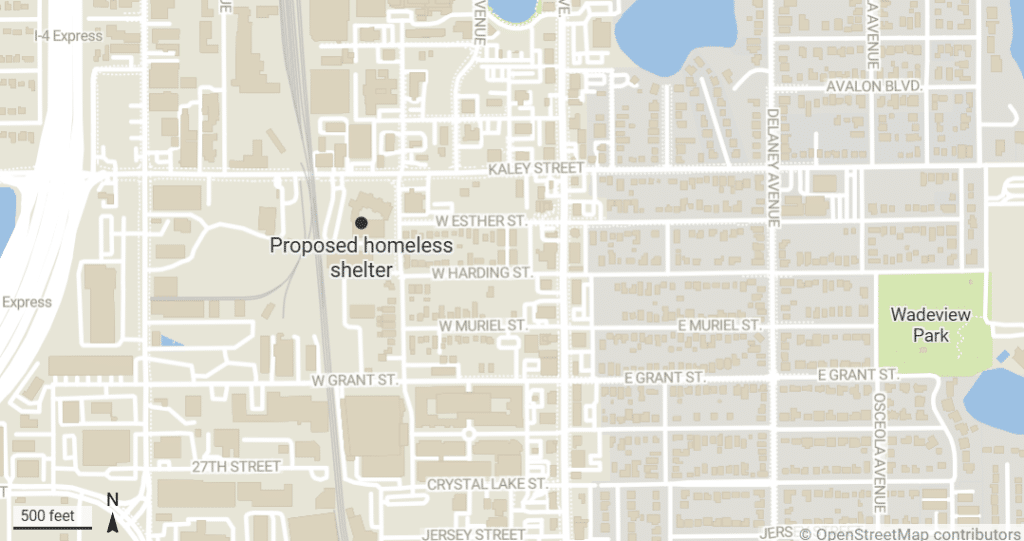
Nobody who spoke in the 90-minute meeting was supportive of the shelter, with many saying they were fearful that the facility would lead to an uptick in drugs and crime, and hurt property values, even though it was more than a mile away from many of their homes.
A leader of an organized effort to defeat the plan, Octavian Cantilli, held up a binder he said contained 1,300 signed petitions opposing it. The idea also drew opposition from Orlando Health, which has a hospital, children’s hospital and an emergency room nearby.
Sheehan said in an interview Monday that she pulled back after that meeting, feeling the city wasn’t adequately prepared to defend the proposal. She said her email inbox was flooded with opposition, and she had faced protests for weeks at other neighborhood meetings and events.
The needed approvals — and the potential for appeals — in the city’s complicated review process would have kept the tense issue going for months.
“I cannot take this level of harassment for a year,” she said. “I really wanted this to be a solution and this to be a good thing. I felt it could have if they’d given us a chance.”
James Krawczyk, who lives in the neighborhood, said he was worried about the potential size of the shelter — some in the neighborhood believed it could hold 300 people, though city officials never revealed a bed count. A meeting this week of the StopSodoShelter group will go on, he said, with a discussion on other potential solutions to homelessness, and neighbors plan to stay involved in the issue.
“I think from an animosity standpoint … I think this will settle things for a while,” he said. “We’re happy to see that they’ve decided it’s not a feasible location.”
Dyer said the city has no immediate plans to pursue another brick-and-mortar shelter, though later this month the city council is set to vote on a plan to purchase two former Greyhound buses and renovate them into shelters capable of housing 39 people each night.
He said he agreed with a point made by Wadeview Park neighbors: Other jurisdictions need to step up. He said the region needs several shelters of smaller sizes to meet a growing need.
“One point the neighbors have made is the city is the only one doing anything and we need to do more work to get more entities to pursue shelters that aren’t in or around downtown Orlando,” he said.
The now scuttled work-release center plan marks the second failed attempt by the city to move a low-barrier shelter forward. Last year, officials proposed buying a warehouse on West Washington Street to transform it into such a facility, but quickly called off the plan after outcry from neighbors.
The bulk of the region’s shelter beds are in Orlando’s Parramore neighborhood – a stone’s throw from the Washington Street site – and city leaders had previously said they wouldn’t place additional shelters there.
No other shelter proposal is even as far along as the SoDo plan was. At a meeting of regional leaders last month, an Orange County official said county officials are looking at sites in east and west parts of the county, including a hotel that could be converted into a shelter. But no specifics have been revealed.
Martha Are, the CEO of the Homeless Services Network of Central Florida, said the region needs shelter beds across Orange, Seminole and Osceola counties.
“The need is just great and there should be other opportunities,” she said. “Some of the unfortunate ramifications of not being able to move forward is that many of the things that neighbors are afraid of are actually exacerbated because people have no place to go.”
The shelter push comes at a critical time in Central Florida’s bout with homelessness.
Last year, volunteers counted 1,201 people sleeping outside as part of a federally mandated count. That’s more than double the number of the year prior.
Also, last year, Gov. Ron DeSantis signed legislation forcing cities and counties to crack down on encampments on public property. With a shortage of available shelter space in the region, it’s led to an uptick in arrests under the city’s camping ordinance, which previously wasn’t aggressively enforced.
rygillespie@orlandosentinel.com
Originally Published: March 10, 2025 at 10:26 AM EDT
Sorry for the interruption but please take 1 minute to read this. The news depends on it.
Did you know each article on Oviedo Community News takes anywhere from 10-15 hours to produce and edit and costs between $325 and $600? Your support makes it possible.
We believe that access to local news is a right, not a privilege, which is why our journalism is free for everyone. But we rely on readers like you to keep this work going. Your contribution keeps us independent and dedicated to our community.
If you believe in the value of local journalism, please make a tax-deductible contribution today or choose a monthly gift to help us plan for the future.
Thank you for supporting Oviedo Community News!
With gratitude,
Megan Stokes, OCN editor-in-chief
Thank you for reading! Before you go...
We are interested about hearing news in our community! Let us know what's happening!
Share a story!
Related Articles
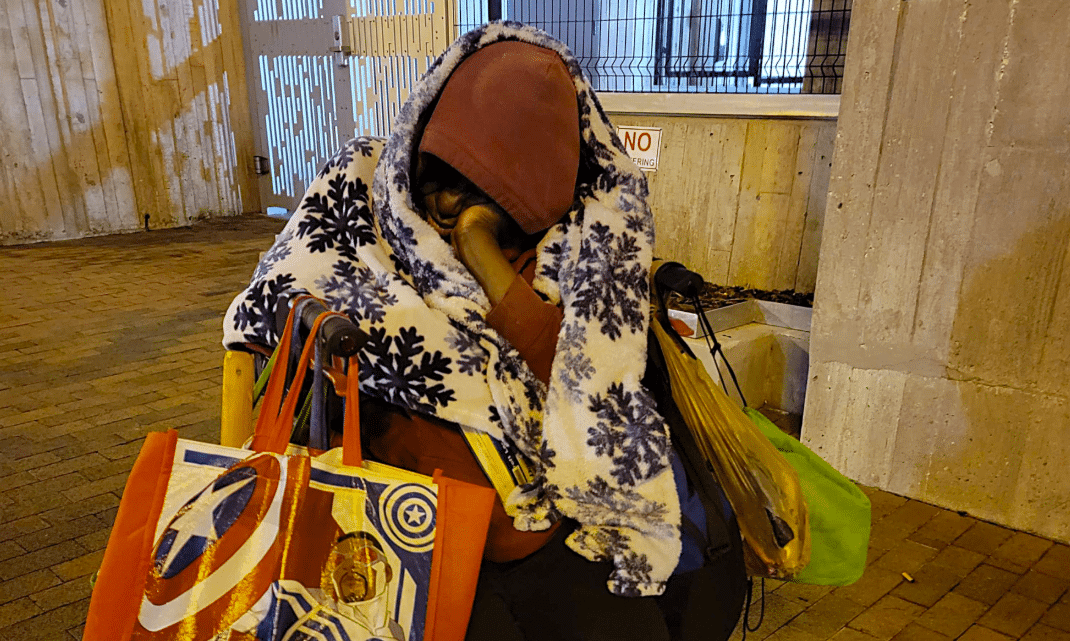
Florida’s Camping Ban: A look at its impact 6 months later
While homelessness saw a decrease in 2025, service providers think the state’s camping ban is causing a “chilling effect”.
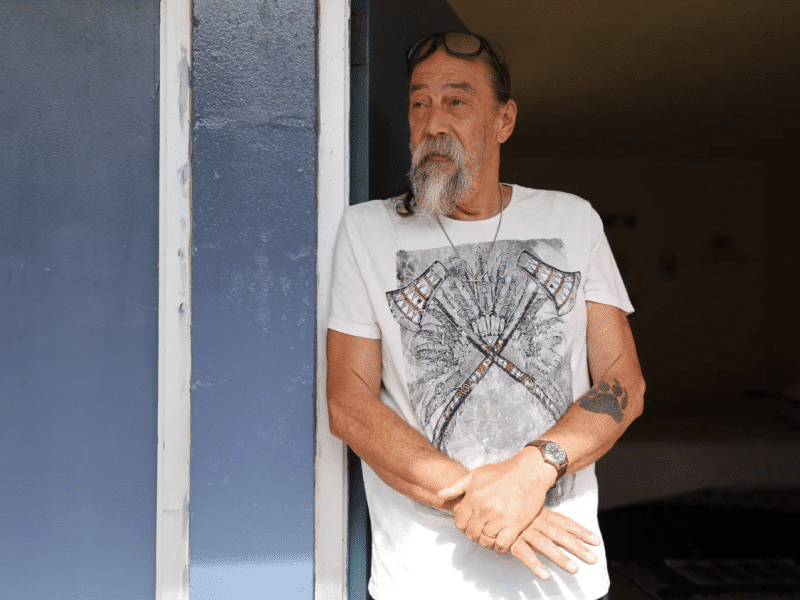
‘No Buddy Left Behind’: New program has veterans help homeless veterans
A veteran outreach initiative from Pathlight HOME aims to help homeless veterans come in off the street by connecting them to VA benefits and affordable housing.
Lee Road hotel becoming home for homeless veterans with help of Central Florida nonprofit
State of Hope partners with Lee Gardens Extended Stay.