As Seminole County becomes the first government in Central Florida to reduce LYNX bus services in favor of micro-transit, one question looms: What will it cost users?
One definite impact: Seminole County’s decision to reduce routes is going to cost Orange and Osceola counties more money annually to make up the losses, LYNX board members said at a May 22 meeting.
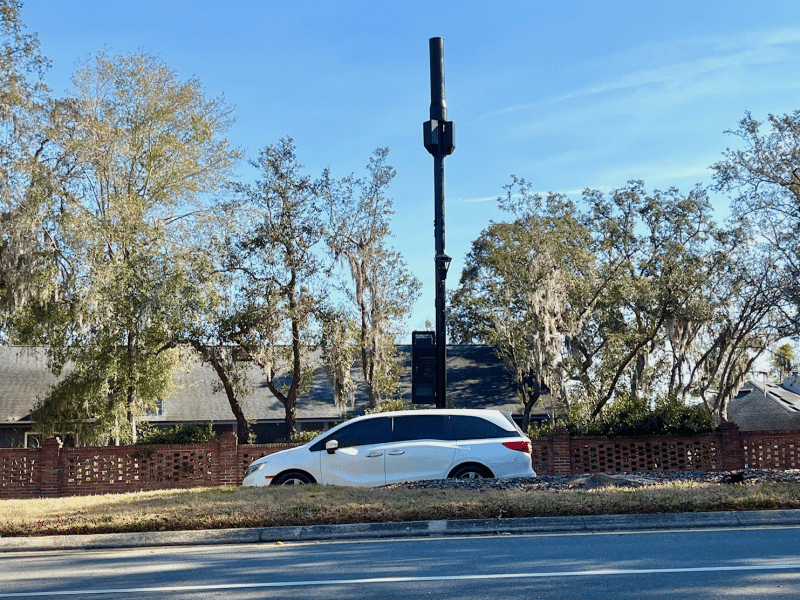
Currently, LYNX offers fixed-route buses that run on 11 routes, on-demand rides in Neighborlink zones in Oviedo and Sanford, and paratransit services for those not able to use the fixed route service. In November of last year Lynx officials presented the Seminole County Commission with an idea to expand the Neighborlink system. But this month, the Commission approved awarding a contract to Freebee – technically BeeFree LLC – for an estimated $5.4 million to set up a micro-transit system.
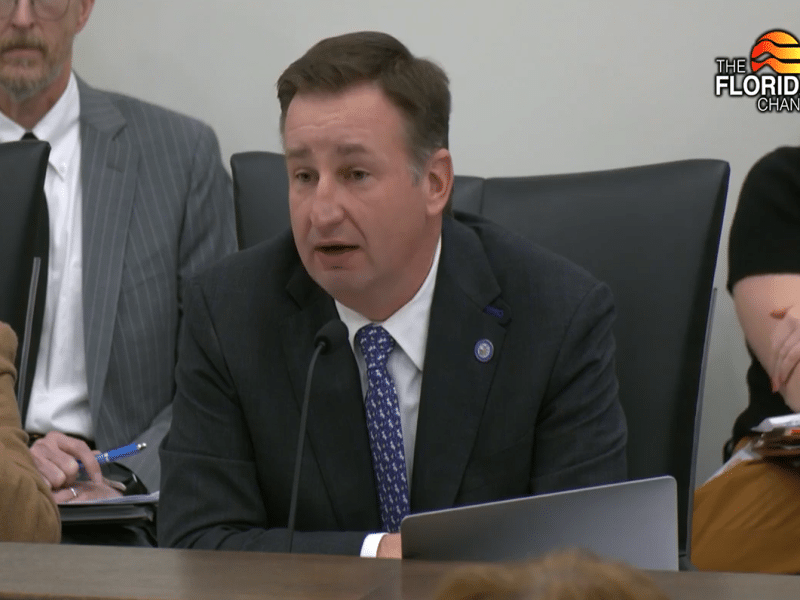
This will bring in a fleet of 35 electric vehicles to pick people up and drop them off – similar to an Uber or Lyft. Seminole County Deputy Administrator Kristian Swenson did not address the cost of fares with the board.
“We don’t want to run afoul of any potential grants in the future,” Swenson said.
County Commissioner Lee Constantine said the fare costs will be the biggest issue. Currently, a one-way ride on LYNX costs $2 full price, or $4.50 for a day pass, before discounts.
“That is the secret sauce that will make or break this thing,” Constantine said. “(So) the people that have no other alternative other than LYNX are not going to be put in a financial situation they cannot handle.”
While the board hasn’t yet approved the rates, according to the contract approved by the board, Seminole County would be divided into five zones, largely around the current SunRail stations. Freebee’s base fare for a trip would be $3.50 within each zone; each additional passenger would add $1 to that. And there would be 50% eligible discounts for vulnerable populations, such as people who are elderly or disabled.
But if a trip crosses a zone, it would add a $2 surcharge. And trips between 5 and 10 miles would add 50 cents per mile, and beyond 10 miles it becomes $1 per mile. And the Freebee vehicles would not be able to cross county lines.
That pricing could change based on what the county’s outside contractors find.
County Commissioner Andria Herr cautioned that the board should be charging the highest fare possible and still be eligible for grants.
“The savings we realize through this only works if we are disciplined about how we manage this,” Herr said. “We don’t want to become LYNX junior.”
County Chair Jay Zembower said the intention is not to have a government-subsidized Uber or Lyft. He said he has heard from other counties in the area who are watching to see how Seminole County’s change goes.
“This is not a replacement for Uber,” Zembower said. “That’s not the intention. But there is chatter that they believe this is an Uber service that everybody can take at a discounted rate. It was never the intention to compete against the private sector.”
At the May 22 LYNX board meeting, Seminole County’s decision to reduce bus routes was having a regional impact. LYNX officials said it would increase Orange County’s costs by nearly $600,000 next year, from $68.3 million to $68.9 million. And Osceola County’s share of LYNX costs would go up by about $200,000, from $10.7 million to $10.9 million.
Orange County Mayor Jerry Demings said Seminole’s decision was “a little bit concerning,” and said he would ask his staff to look at the governance structure for Lynx. Seminole County has a voting member on the Lynx board.
“If Seminole desires to move toward some other alternative service other than Lynx, I think there has to be a discussion at some point on the governance structure that remains within Lynx,” Demings said. “I don’t know what that means today.”
Seminole County Commissioner Amy Lockhart said that it was “completely reasonable” to look at governance. Lockhart said Seminole County could “hone more of the fixed routes if that ridership declines.”
“The governance structure from my perspective has been interesting all along given we have two people who vote on budgets that they don’t contribute to at all, in terms of fixed routes,” Lockhart said.
What’s next for Seminole County’s Freebee service
County commissioners are planning to have a work session over the summer to set the fares. LYNX will still continue to operate paratransit services in Seminole County.
The Freebee service is expected to begin Oct. 1, overlapping for three months while LYNX routes haven’t been eliminated yet.
It would operate seven days a week, 5 a.m. to 9 p.m. The plan is to have a maximum 30-minute wait time Mondays through Saturdays, and a one-hour maximum wait time on Sundays.

County officials say the biggest cost savings to the county for LYNX is because future costs for the Freebee contract are locked in at 3%. Costs from LYNX would increase at a much faster clip: 15.5% increases each year for the next two years, then gradually lowering to about 5% in 2030.
Each of the micro-transit vendors is proposing locking in the cost for a year or two, and then 3% increases.

When the county mapped out its current costs to 2030, it projected that LYNX would cost the county $15.7 million by 2030 and the micro-transit option would cost $8.5 million to $10 million.
“We are not the first, but we are the first in this region,” Lockhart said. “It’s great to acknowledge there will be bumps along the way. We are going to ask for a lot of grace from our community as we figure this out and get it right. Because we’re not gonna get it right right out of the gate.”
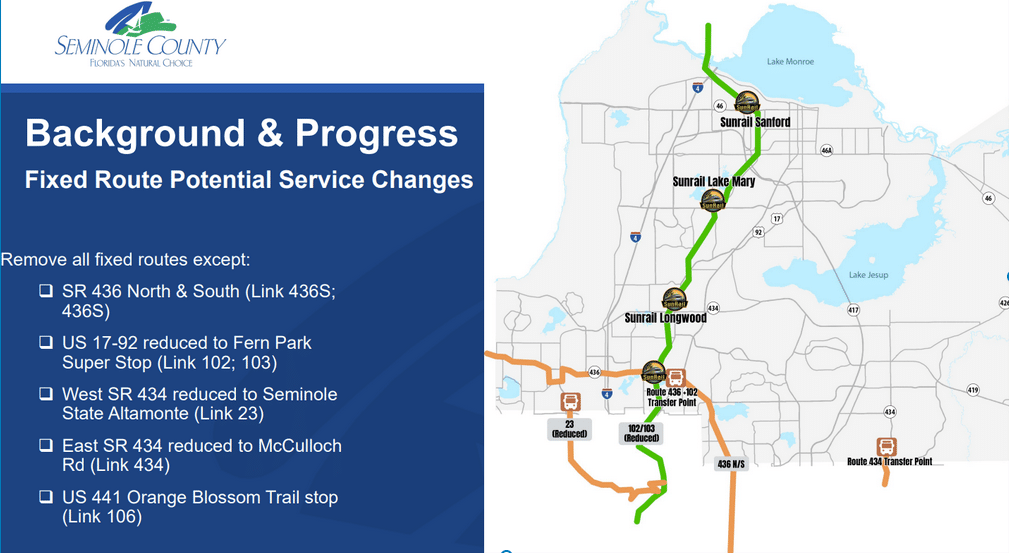
It’s not an elimination of all LYNX bus routes. Currently, the plan is to keep the following fixed bus routes:
- State Road 436 North & South (Link 436S; 436S)
- U.S. 17-92 reduced to Fern Park
- Super Stop (Link 102; 103)
- West S.R. 434 reduced to Seminole State Altamonte (Link 23)
- East S.R. 434 reduced to McCulloch Road (Link 434)
- U.S. 441 Orange Blossom Trail stop (Link 106)
You can view the Seminole County Commission meeting here. You can listen to audio of the Lynx board meeting below:
You can also read a letter sent by the Seminole County Commission to Lynx below:
Sorry for the interruption but please take 1 minute to read this. The news depends on it.
Did you know each article on Oviedo Community News takes anywhere from 10-15 hours to produce and edit and costs between $325 and $600? Your support makes it possible.
We believe that access to local news is a right, not a privilege, which is why our journalism is free for everyone. But we rely on readers like you to keep this work going. Your contribution keeps us independent and dedicated to our community.
If you believe in the value of local journalism, please make a tax-deductible contribution today or choose a monthly gift to help us plan for the future.
Thank you for supporting Oviedo Community News!
With gratitude,
Megan Stokes, OCN editor-in-chief
Thank you for reading! Before you go...
We are interested about hearing news in our community! Let us know what's happening!
Share a story!