
Paul Diaz
Paul Diaz is running for the Winter Springs City Commission District 1 seat. Born and raised in South Florida, Diaz attended the University of Miami, where he graduated with a degree in finance.
He is a resident of Winter Springs and runs a federal tax firm, The Tax Cuttery, where he works to help clients navigate tax laws, rules and regulations. Diaz is president-elect for the Rotary Club of Winter Springs, a member of the South Seminole Masonic Lodge 364, sits on the Winter Springs Police Department Citizens Advisory Committee and on the city’s Parks and Recreation Advisory Board.
Diaz’s platform focuses on infrastructure for wastewater and stormwater management along with fiscal responsibility in Winter Springs. Learn more.
“As a finance and accounting professional with deep community roots, I am committed to bringing transparency, fiscal responsibility and thoughtful leadership to the commission,” Diaz said while speaking to OCN. “I’m gonna press the financial issues, the water and sewage infrastructure issues, and ensure that every voice is heard in this decision-making process.”
According to Diaz’s website, his endorsements include County Clerk of Court and Comptroller Grant Maloy, former County Commissioner John Horan, former Winter Springs Commissioner Ken Greenberg and former Winter Springs Mayor Charles Lacey, among others.
According to Voter Focus, Diaz has raised $8,806.90 across his campaign with $3,080 being self contributed, and has spent $3,498.92 across his campaign.
Diaz did not submit a video.
OCN Q&A
OCN created a profile for each candidate and sent each candidate a list of questions that we created based on input from residents of Greater Oviedo and Winter Springs. Each candidate within a specific race got the same list of questions at the same time and had a 50-word limit per question. Answers were only edited for grammar and clarity.
Taxes
Q: With Oviedo having a tax hike on the ballot, some residents worry that taxes being raised might be used to fund unnecessary projects. That’s a fear residents have in Winter Springs, where some have questioned the need for a pickleball facility while the city tackles water issues. What would you do to add public input and transparency to these decisions by the City Commission?
A: I’m not in favor of raising taxes unless the government is solely focused on its core responsibilities: safety, stormwater, wastewater, roads, and bridges. Winter Springs should only increase revenue to efficiently operate these essential functions, and public input should be at the forefront of any decision.
Q: What do you say to longtime residents who see continually rising fees for services in the city (which some call hidden taxes) and higher proposed millage rates making it harder to stay in their homes? Some service fee increases that Oviedo Community News has covered recently include water rates in Oviedo and Winter Springs.
A: Rising fees are a concern, especially when they don’t address the real problem: our aging infrastructure. Water rate increases won’t cover the enormous costs to fix stormwater and wastewater systems. I’ll push for smarter spending to ensure residents aren’t burdened without real solutions.
Traffic and transportation
Q: Some residents are concerned that development is outpacing the capacity of the area’s roads, leading to congestion problems. Construction at the east end of Winter Springs Boulevard has been a particular concern. What will you do to ensure that population growth does not overburden local roads, and to ensure Winter Springs can handle traffic from outside the city?
A: Poor planning has led to transportation issues, with roads unable to handle current traffic. I’ll work to correct these mistakes by prioritizing road improvements and ensuring future decisions don’t overburden our infrastructure. We need smarter traffic solutions that serve residents, not create more problems.
Housing
Q: Some residents say they’re being driven out of the Greater Oviedo and Winter Springs area by a shortage of affordable housing. According to the University of Florida’s Shimberg Center for Housing Studies’ 2023 annual report, the statewide median single-family home price hit a new peak of $400,000 in the first half of 2023. Seminole County was in the third most expensive housing price range in the state with $400,000 to $499,000 as the median single-family home price. The graph below compares the statewide affordable/available housing supply to renter households for six income groups, divided by how much they earn relative to the area median income (AMI): 0-30%, 0-40%, 0-50%, 0-60%, 0-80%, and 0-120%. For example, if the area median income is $50,000, somebody earning $25,000 would be at 50% AMI. Somebody earning $60,000 would be at 120% AMI.
How, if at all, would you address that problem?

A: We can’t address affordable housing without considering transportation. More can be done with zoning rules to alleviate affordability for existing residents. I’ll work to ensure growth includes affordable housing while improving infrastructure to avoid congestion, keeping housing and transportation issues balanced.
Public safety
Q: Rising costs for police protection have residents worried about the city’s ability to fund its public safety. What will you do to ensure the city has adequate police funding in the future?
A: As an active member of the WSPD [Winter Springs Police Department] Citizens Advisory Committee, I understand the need for proper police funding. By making the city’s budget more efficient and focusing on core services, we can ensure that public safety remains a top priority without overburdening taxpayers.
Q: What do you say to residents who argue that pedestrian safety is poor in Greater Oviedo and Winter Springs and that the local governments need more uniform signage and safer crosswalks?
A: Pedestrian safety is a shared responsibility. I support making crosswalks more visible and ensuring uniform signage, but residents must also stay aware. We need safer, well-lit crosswalks that are visible at all times, so everyone can navigate our streets safely and responsibly.
Q: As local roads widen to cope with more traffic flow, will you push for more aggressive policing of speeders in the area? If yes, how will you make that happen?
A: Yes, I will push for stronger enforcement in safety-critical areas, especially near schools. As roads widen, speed enforcement in these zones becomes even more important. By focusing on high-risk areas and using tools like speed monitoring, we can protect our residents without unnecessary over-policing.
Q: With increased instances of heavy rain and flooding in the area, what will you do to ensure that local government is taking the necessary steps to keep people, their homes and roadways safe, including improving stormwater drainage?
A: I’ll ensure local government takes immediate steps to modernize our stormwater infrastructure. We need long-term solutions that protect homes and roadways from future flooding. By prioritizing infrastructure improvements and proactive maintenance, we can keep our community safe and prevent recurring flood damage.
Working conditions
Q: Tension has been high among the members of the Winter Springs City Commission often leading to arguments on the dais and split votes are commonplace. What will you do to encourage civility among commission members?
A: Civility starts with respect and understanding of the issues we face. By electing qualified individuals who understand critical topics like finance and infrastructure, we can ensure more productive conversations. I’ll lead by example, encouraging collaboration and focusing on solutions, not personal conflicts.
Q: In the recent past, staff turnover has been unusually high among city staff. What will you do as a commissioner to contribute to a more stable environment in the city?
A: A more efficient government starts with better-qualified department heads. By ensuring leadership understands their roles and responsibilities, we can create a more stable and productive work environment. This will help reduce staff turnover and improve overall city operations.
Infrastructure
Q: Hurricane Ian in 2022 exposed numerous infrastructure issues in Winter Springs, as aging stormwater systems, bridges and roads showed their vulnerability to heavy storms. What will you do locally to make sure Winter Springs fixes those vulnerabilities?
A: I’ll hold the government accountable to ensure infrastructure funds, like the penny infrastructure tax, are used effectively for stormwater systems, bridges, and roads. By prioritizing necessary repairs and improvements, we can prevent future vulnerabilities and ensure our city is prepared for heavy storms.
Q: What will you do to improve the safety of Winter Springs’ water system and to help clarify, and increase transparency into, how the city is handling those water problems?
A: Why are we satisfied with just meeting minimum standards? I’ll push for independent audits and greater transparency on how the city manages water safety. We need to go beyond the basics to ensure our water system is not just compliant, but truly safe and reliable for all residents.
Q: With increasing resident concern about the availability of potable water, what will you do to help cut the city’s reliance on potable water for irrigation, ensure that we have an adequate supply of reclaimed water in the future and improve the quality of the potable water we have?
A: I’ll work to expand the city’s reclaimed water system and reduce reliance on potable water for irrigation. By investing in the efficient modernization of our water treatment infrastructure, we can improve water quality and ensure a reliable supply of both potable and reclaimed water for the future.
Growth and development
Q: Once land is zoned for development, local governments cannot downgrade that zoning, meaning that local government has little power in the development of zoned land not owned by them. What do you think the local government can do, if anything, to preserve as much of the green space and charm of the area as possible?
A: I’m against blight. Instead of building new developments, we should focus on improving areas that are already built. The west side from Hayes [Road] to [U.S.]17-92 requires cleanup and revitalization. This approach preserves green space while enhancing the charm and livability of our community.
Q: Some residents are concerned about a lack of notifications for key votes on development. What will you do to increase transparency in the development proposal process?
A: Freedom requires a robust debate on key issues, including development. I will push for more transparent communication by improving notifications and public engagement, ensuring residents are informed well in advance of key votes. Open, honest discussions are essential for making decisions that impact our community.
Environmental
Q: What do you say to residents who think that local parks are being mismanaged with chemical use, weed-whacked shorelines, etc.? If change is necessary, what would you do if elected to office?
A: As a member of the Parks & Recreation Board, I understand residents’ concerns. The chemicals used in parks can end up in our creeks, lakes, and water supply. We need to reduce chemical use and protect natural shorelines. I’ll work to ensure our parks are maintained responsibly and sustainably.
Author

Related Articles
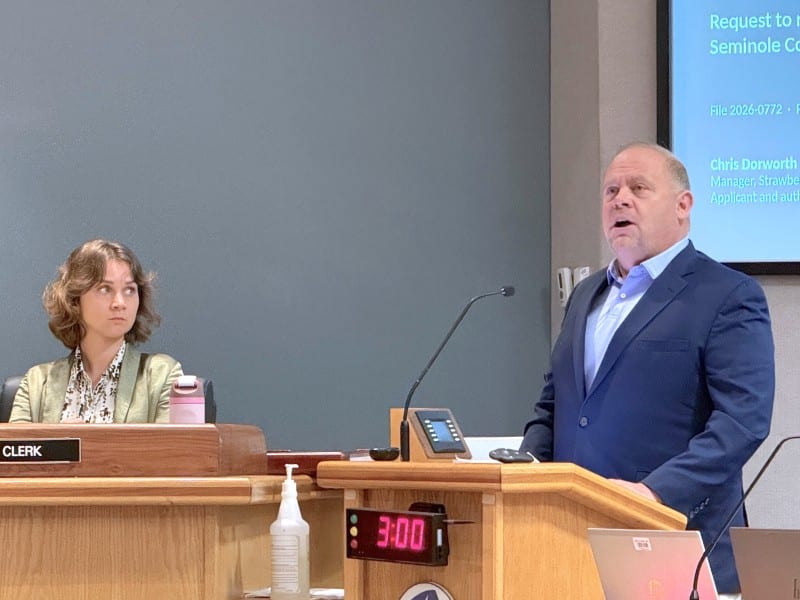
Zoning board: former Pappy’s Patch should remain inside rural boundary
Chris Dorworth’s proposed Strawberry Lane project at the former Pappy’s Patch near Oviedo now goes to the County Commission for a final decision.
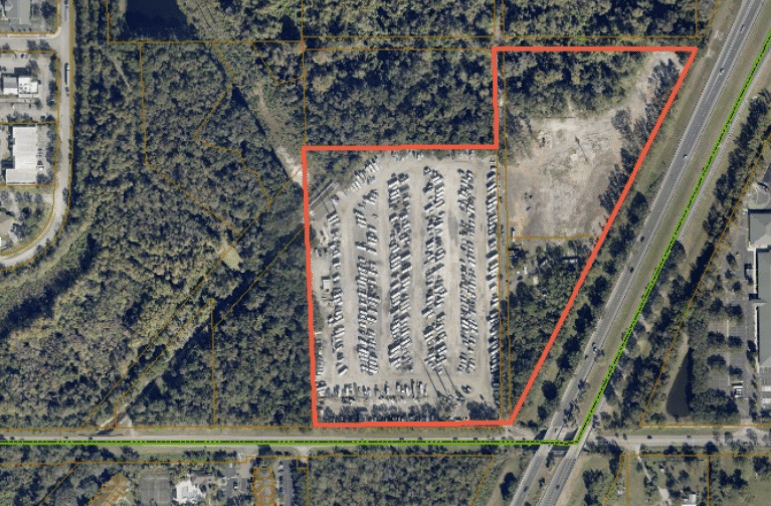
Apartments, townhomes on Seminole County agenda next week
Seminole County Commissioners could weigh in on two developments, including apartments near Lukas Nursery
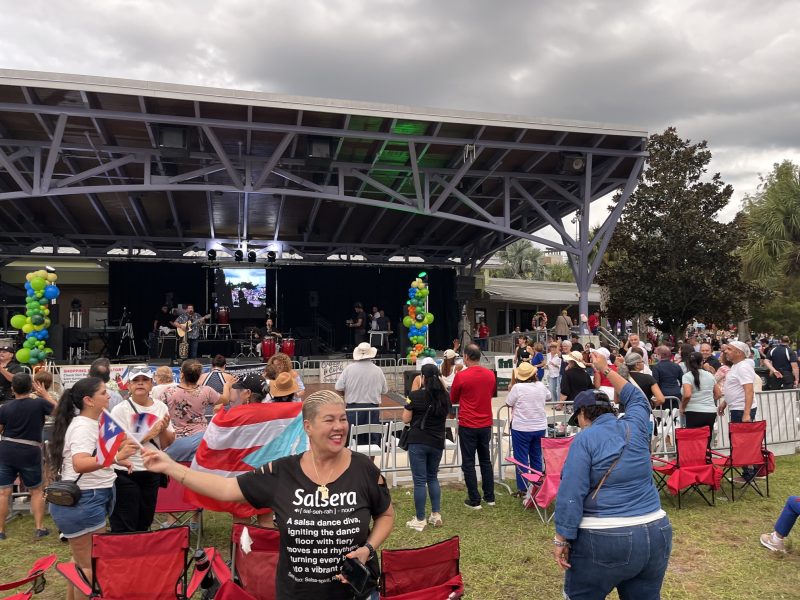
Viva Oviedo! Festival gets special permit for upcoming event
An impassioned plea following months of delays and communication issues led to big changes for a major event in Oviedo.
The volunteer-run Viva Oviedo! Festival that celebrates Hispanic heritage saw thousands of people attend its inaugural event in October 2025. It’s set to take place again at Oviedo on the Park on Oct. 17. Organizers had hoped this year’s festival would be in partnership with the city, but despite having ongoing conversations with city officials since at least March, no decisions had been made until the Oct. 5 City Council meeting.