
‘More than a Museum’: the struggle to reveal Oviedo’s invisible Black history
Organizers of the Historic Oviedo Colored Schools Museum hope to push past a traumatic incident to tell the stories of Oviedo’s earliest days.
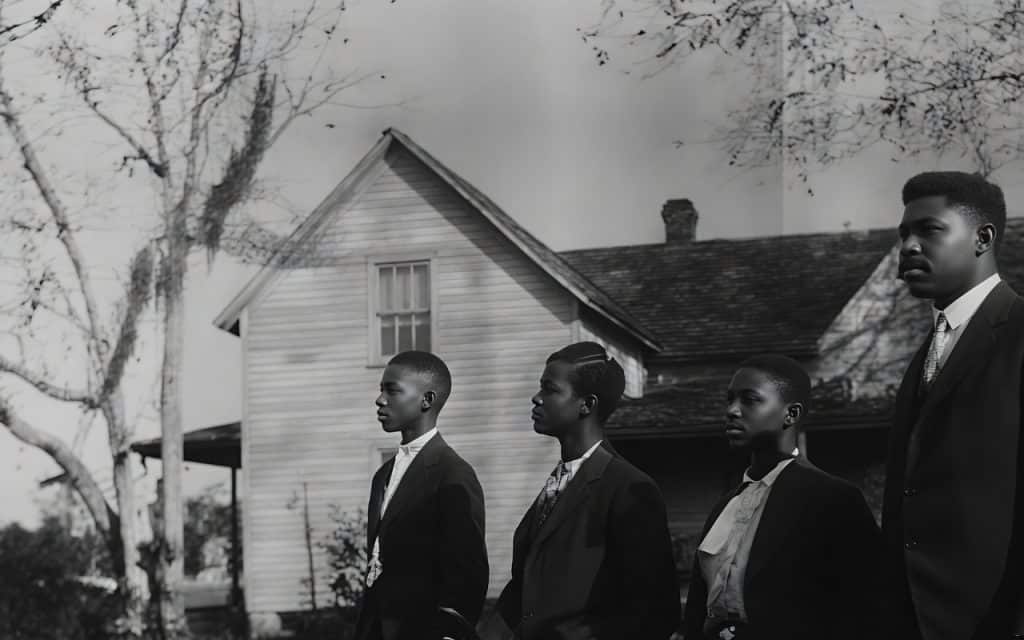
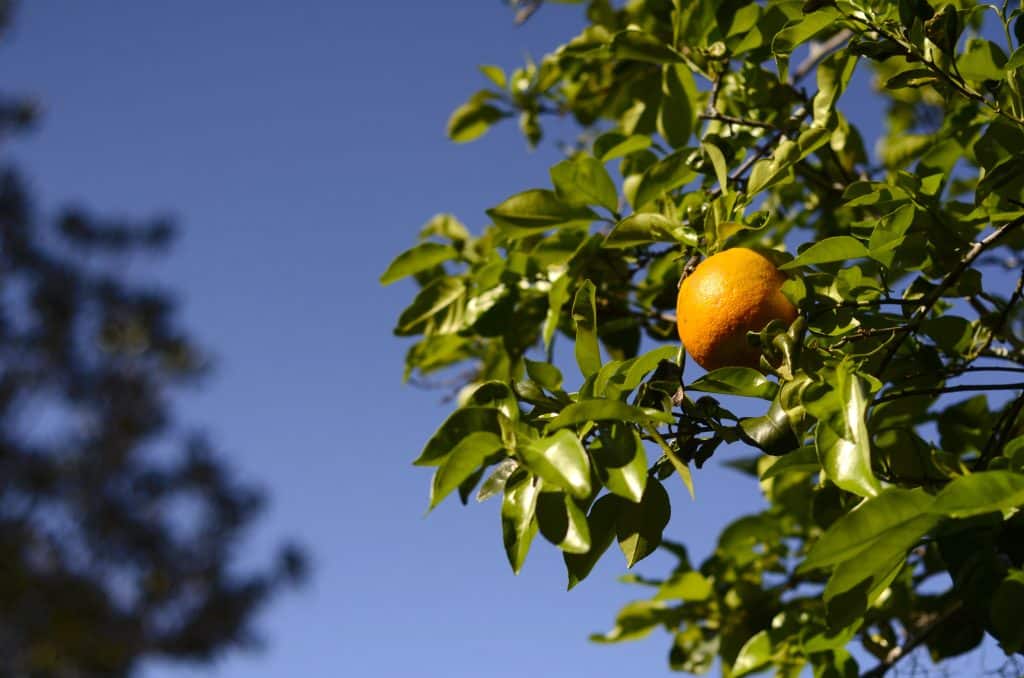
Among many things, Prince Butler Boston was a carpenter. On a 300-acre property filled with orange trees the Oviedo agricultural pioneer built his own 17-room home, sprawling over two wings that would later be occupied by his 10 children, each having their own bedroom. Nine of them would go on to earn a college degree.
His life wove its way into chapters of Oviedo’s birth and could greet visitors of the Historic Oviedo Colored Schools Museum. His story, told by his descendants, is shaping one of the first exhibits the museum will curate.
Warning: This article about the Historic Oviedo Colored Schools Museum contains graphic language and material that may be upsetting to readers, including Nazi graffiti and a racial slur. Oviedo Community News’ editorial team spent time weighing how to display such sensitive material. Read an in-depth editor’s note about that decision. This is also addressed in our Ethics Policy.
A story resilience and reinvention
Boston’s father, a former Georgia slave owner, left him the land after they encountered the first freeze on their citrus farm in the 1890s. Boston was 12 years old. He would prove a pioneer in the local citrus industry, grafting exotic oranges to freeze-damaged trees and giving birth to the Temple Orange. The result: an easy-peeling fruit that could survive the climate and impressed the manager of Winter Park’s Florida Citrus Exchange, who marketed it, according to local historian Jim Robison.
According to Prince Butler Boston’s granddaughter-in-law, Ida Boston, he valued dignity greatly, and encouraged others in the area to buy land, farm the earth, and improve education in the area.
When they were young, Boston’s children learned to swim in Lake Gem, ringed with trees where a forest engulfs the former Canterbury Retreat, hidden just off the stretch of Alafaya Trail that forms Oviedo’s southern gateway. Black residents were not allowed to use the local public pools. They were also not allowed to eat in local restaurants or get their hair cut at the local barbershop. When they died, they weren’t allowed to be buried in the town cemetery.
During the Jim Crow era, Oviedo Citizens in Action formed to do just that: act. Their sit-in protests pressured the town until the businesses served them.
But black Oviedoans could worship in Oviedo, and so Prince Butler Boston did. There were rooms inside Antioch Missionary Baptist Church that bore his hand prints and craftsmanship. The carpenter had returned. He also served as a deacon there. The building that was once the Gabriella Colored School, established by the Antioch MBC, is now known as the Historic Oviedo Colored Schools Museum and could soon tell his story on its walls. Or maybe etched into an elegantly carved pew.
A doorway into the past
Ida Boston, who married Russell Boston – the grandson of Prince Butler Boston, measuredly recalls those details on camera – the recording of which is being used as an oral history exhibit for the Historic Oviedo Colored School Museum.
Aside from one newly refurbished red varnished pew which stands alongside seven other original wooden benches, all crafted in 1957, this oral history collection is the latest progress for the Colored School Museum.
To Judith Dolores Smith, her eight-year mission to open the Historic Oviedo Colored Schools Museum is more than just fixing up an old building; it’s a tribute to the hardship and achievements of the descendants of slaves. As a descendant of former slaves herself, Smith felt a connection to what she says became their mantra of ‘how do we educate our children?’
Receiving a formal education was not something readily available for the descendants of former slaves throughout the South and Oviedo until approximately 1886. As one of the six colored schools within the Oviedo area, Smith said the Gabriella Colored School was the descendants’ way of helping the new generation move forward.
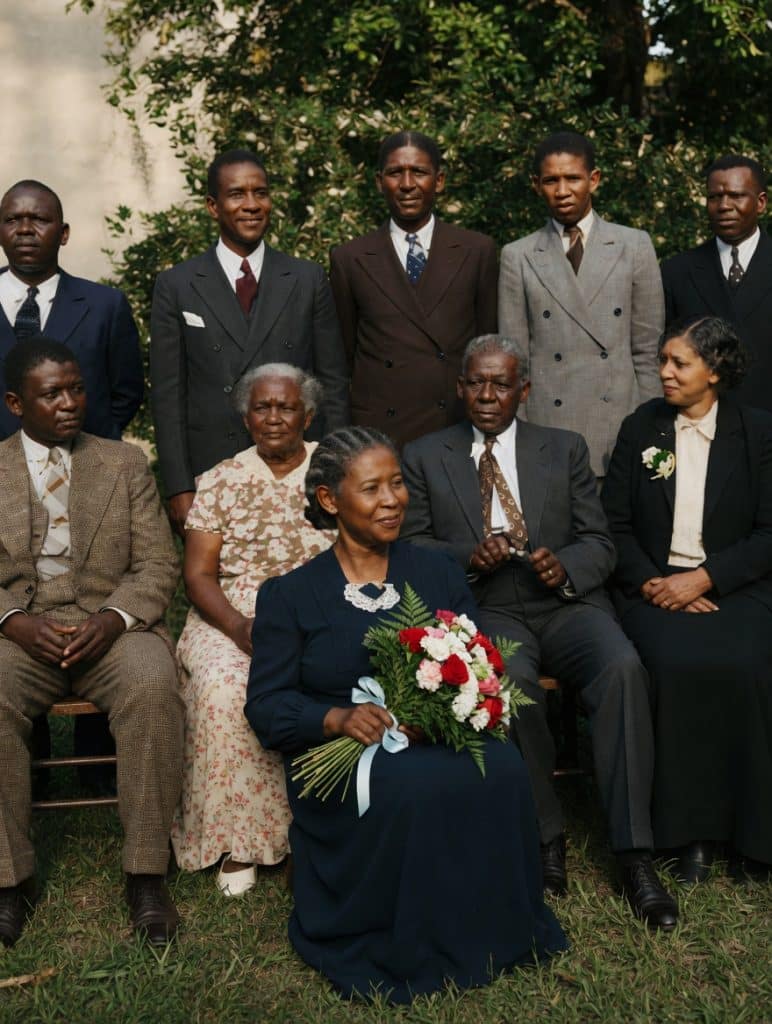
Smith recalled her mother’s experience of being forced to “go where the education was,” after she left Oviedo to attend FAMU in Tallahassee because there wasn’t a high school in the area for her to receive her diploma. Afterward, her mother returned to Oviedo and started teaching, before eventually graduating from the Bethune Cookman University with her baccalaureate.
“What the museum is going to do is remind people about that – why we had that drive, and why we still need to get it – because it made us who we are in terms of a community,” Smith said.
A journey toward progress
What first started as Smith’s attempt to repair and renovate the building of the Historic Oviedo Colored Schools Museum has stretched into a journey of raising funds, filling out copious amounts of paperwork and appealing to state and county requests.
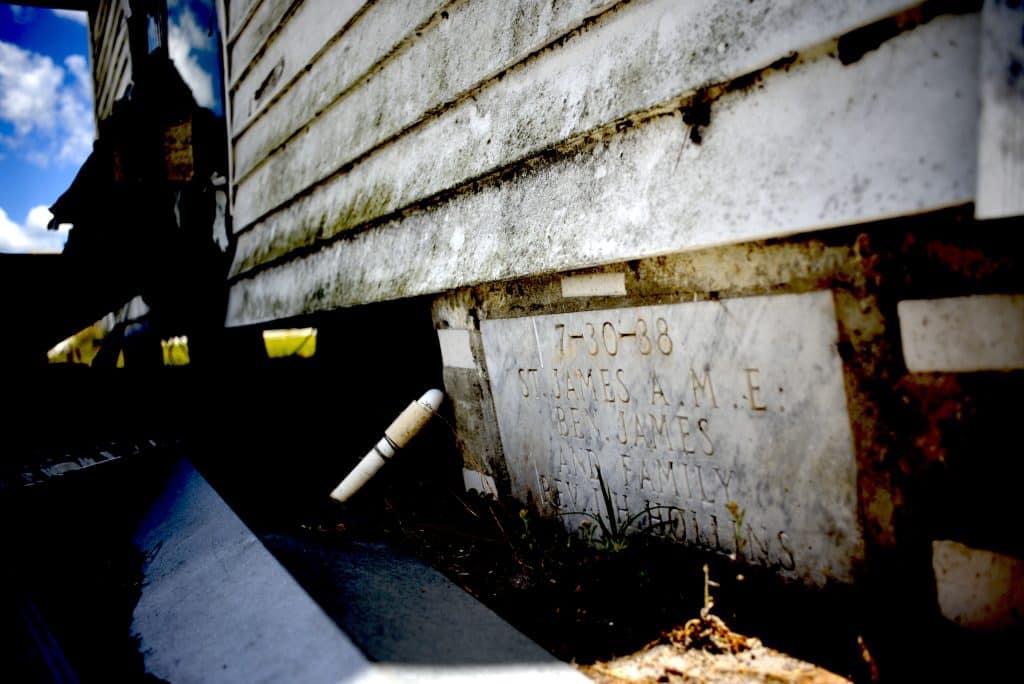
Upon research of who still owned the building, Smith signed a lease to rent the property from the African Methodist Episcopal Diocese for 25 years – a process that took a year and a half.
She first put a board of directors together – Kelley Muller-Smith, acting as vice president, Gracia Muller Miller, acting as Secretary, Arthur B. Davis, acting as Treasurer and Annie Jackson Gavin, acting as Assistant Treasurer – before they began to raise funds.
Smith’s first concern was damage to the museum’s roof, which would have led to the building’s implosion. After approaching Smith during a Martin Luther King Jr. Day celebration, Derrick Vittitow, president of Certified Best Roofing, offered to replace the roof for free.
Then came the challenge of applying for grants, something completely unfamiliar to Smith, local author and former Oviedo City Council member. Following the defense of her application in Tallahassee for a grant to save historical structures in the spring of 2023, the organization received a $128,000 grant from the state of Florida to renovate the building.
Unforeseen challenges
What Smith didn’t know was that to renovate the building, she would need to hire an engineer and an architect to draw up construction plans that would need to be approved by the state. “Right now we’re at the point where we thought everything was taken care of,” Smith said, standing in the building in late February. “Our plans are approved by the county, the rezoning is approved, and then last Friday, it’s like everything came down.”
Among a lengthy list of changes the county requested Smith make in the building’s plans was the addition of a handicap-accessible bathroom stall.
“We are this close to bringing this project to completion, eight years. No way we can stop now. So whatever the county wants, we’ll give it to them. Whatever the state wants, we’ll give it to them so that we can complete this.”
Just a few steps away across a patchy lawn lives Gloria White, a local pastor and co-owner of Magic City BBQ.
White said she believes the museum would be a plus to the community, as it has suffered numerous hard times.
“A lot of people stopped by and asked, ‘When is it going to open?’ So we [are] just waiting and praying that everything will work out, that they will get the funding that they need to open it up.”
A silent scar
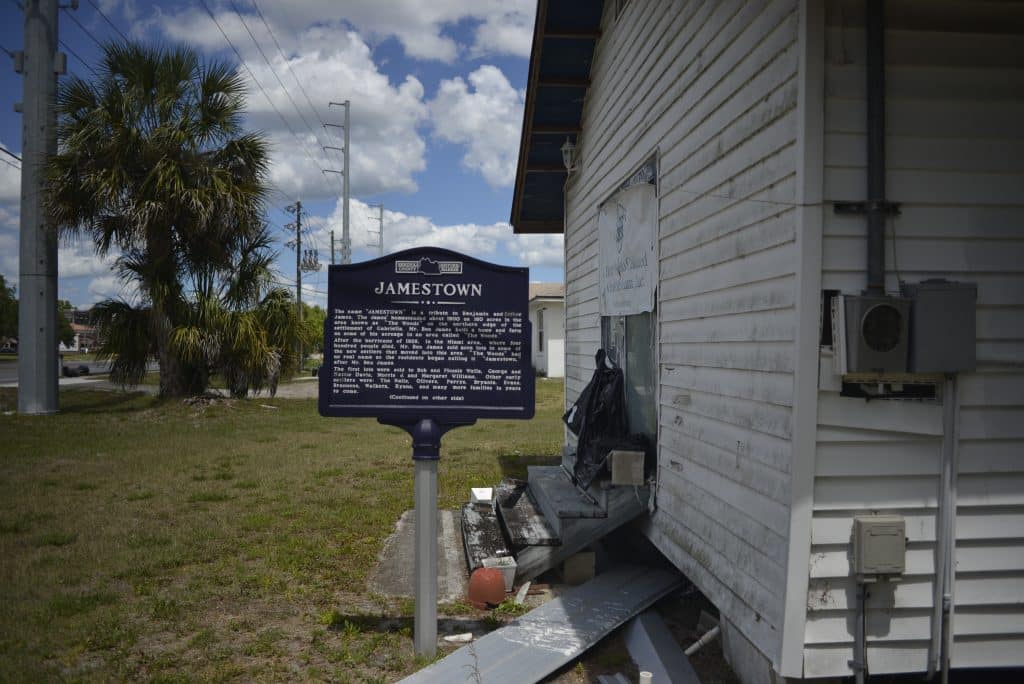
On the exterior siding of the museum, right next to where an electrical conduit climbs the corner of the building, a feathered edge of conspicuously new white paint surrounds where the words “Fuck you, Nigge” and two SS lightning bolt marks were spray-painted in red, just over a year ago.
Despite the ongoing felony criminal mischief investigation launched by the Seminole County Sheriff’s Office, Public Information Administrator Bob Kealing told Oviedo Community News, “There is nothing new to report in connection with our Felony Criminal Mischief investigation.”
Kathy Hunt, the president of Oviedo Citizens in Action, said she feels unsatisfied with SCSO’s lack of progress made in the investigation so far. She said the department’s silence since painting over the graffiti is short of making things right and referenced Dr. Martin Luther King’s words that, “our lives begin to end the day we become silent about things that matter.”
“They’re going to make this right by whitewashing it, painting over it and that would be okay,” Hunt said. “Then we won’t see it, so it won’t have that same type of impact, but it’s bad, that’s really bad, and that doesn’t sit well with me, because it’ll say that, okay, we’ll silence everything, and we paint over it. But what’s under there is still there.”
Hunt said that for herself, “there’s no healing” from the graffiti incident, in the same way that there is no healing from her experiences in Charleston, S.C., of being integrated into a high school in the ‘60s.
“It’ll just be moments like [the incident] that’s going to keep triggering things, triggering things,” Hunt said. “So you have to put it in the back of your mind, but then just be ready. You got to be ready to voice opinions and see if you can make a difference.”
Around the time of the incident, White said people would even drive past the site and shout racial slurs at her home.
“A lot of my family members were worried and afraid,” White said.
White also received letters in her mailbox that she said appeared to be written by a child and that apologized for being racist. The drive-by encounters and letters have since stopped, leading her to believe that they might have been connected to the person responsible for the graffiti.
White did not report the letters, but saved them and planned to bring them to the police if another incident like the graffiti one happened again. She said that the neighborhood believed the person responsible for the graffiti was a child who used to live there.
“I’m a foster parent, and because the neighborhood had already specified that it was someone, but the police said they don’t think that was the person, I said, if they don’t do it again, then I just won’t report it, but I did keep the letter, just in case it happens again.”
Just another stone in the road
Reflecting on the incident a year later, William “Jack” Jackson Jr., the official spokesperson for the Johnson Hill Washington Heights Community Outreach Center, said the Oviedo community has stood by the words and actions of civil rights activist Frederick Douglass.
“Throughout the existence of African Americans in the United States, we’ve had to struggle to make progress,” Jackson said, “and this is just another recent example of the struggles that we face daily. And things like the museum and things like having a celebration for Black History, or having a celebration for Juneteenth is a reminder that we truly have not overcome. We’ve come so far, but we still have so far to go.”
Jackson grew up during the 1960s and can recall some of the impacts of Jim Crow laws during that time. Yet, even with “separate but unequal facilities,” or segregated schools, he said that the pride of the Black community was unfailing.
Because of this, Jackson said he felt appalled by the nature of the wording displayed upon the building and the person(s) responsible for the graffiti attempts to discourage the museum’s mission and destroy Oviedo’s Black history.
“I live by a lot of quotes from famous people,” Jackson said, “and Martin Luther King said, ‘injustice anywhere is a threat to justice everywhere.’ And ‘whatever affects one directly affects us all indirectly’. So we’re all in this together, whether you’re one particular race or color or creed, we’re all in the race together, which is a human race.”
Moving forward
Now, a year after the act of vandalism targeting the site of the Museum, rather than feel pity for herself, Smith said the way she’s healing is by building a museum.
“I’m still in that mode where nothing is going to stop, short of my death, nothing is going to stop me from bringing this project to fruition, and I’m still in it, that state of mind where I don’t have the luxury of concentrating on it.”
A little funding goes a long way
Even when they do receive their building permit, Smith said the museum has a long way to go. In lieu of the missing doors and rotting wooden floorboards, Smith said that many artifacts from the site, like an original 1930s pump organ, were being kept safe in storage. Though it will function as a museum, the interior will be set up as a church, with no partitions, similar to its design in the 1950s. The building will also receive new exterior siding, windows and a front door, while still preserving the building’s original character, as much of what’s visible now will be saved and cleaned, not replaced.
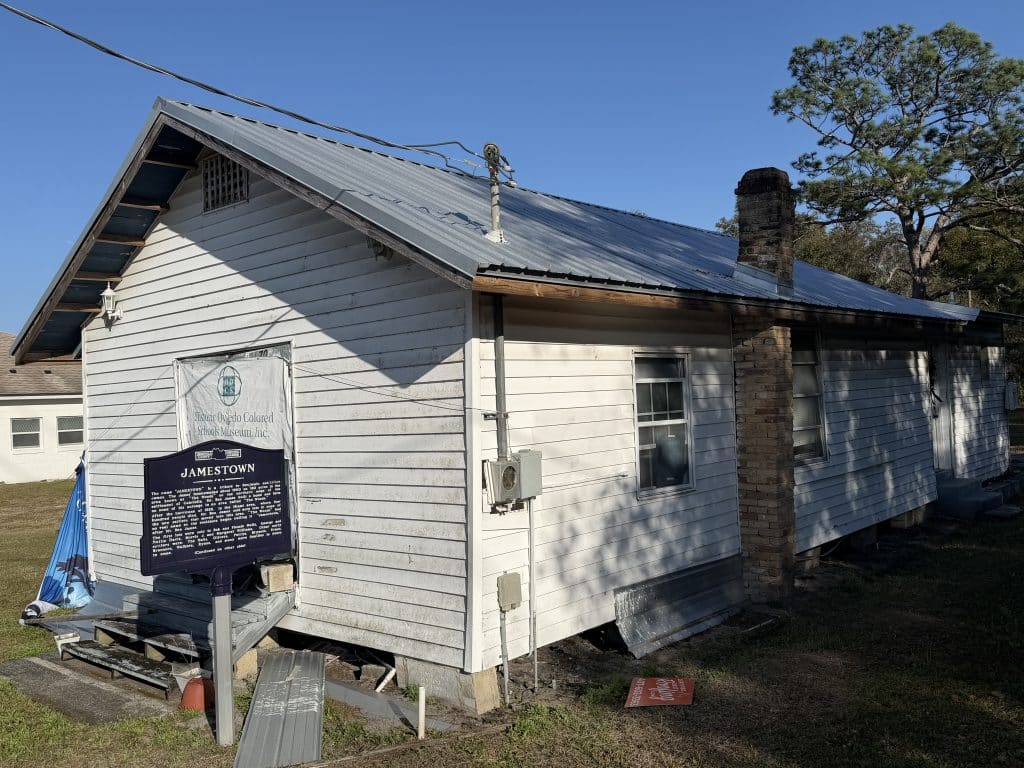
The opening date will mainly depend on the organization’s finances, with the state being its main source of funding, she said.
“If we get more contributions, Smith said, “that’s wonderful, then we can move ahead, but we are closer now than we were eight years ago”.
One small grant they received from Florida Humanities helped them renovate one of the almost 70-year-old pews inside the building, left behind from when the site also functioned as the St. James African Methodist Episcopal Church.
“One gentleman in the community did the Pew for us, renovated the one, and it is gorgeous. What he did, oh my gosh, it’s gorgeous. As soon as we get more money, he’ll do the rest of them.”
Taped to one of those pews stationed in the front of the building is a piece of white printer paper with the words “the moaning bench” written in Hebrew lettering. Smith said that it was typical for churches during the time of the former Gabriella Church to have had a designated mourner’s bench for prayer so intense and fervent that one’s words would leave the mouth sounding more like a moan.
“When a building lies unoccupied, it seems to deteriorate faster,” Smith said. “I go to pray and speak life into the building.”
As the museum continues to slowly come together, Smith said volunteers are “operating on many fronts,” continually working to capture and preserve the history of other local ‘colored schools’ in the area.
“Personally, I believe if I didn’t think people needed to know about it and I wasn’t deeply committed, I’d be gone,” Smith said.
On the mourners bench is a small wooden cross that Smith placed underneath the paper label. And it will be waiting for her another day in the future. She said she visits the site often to remind the building that “help is on the way.”
Click here to contribute to the Historic Oviedo Colored Schools Museum.
Megan Stokes and Isaac Benjamin Babcock contributed to this report.
Update: During the editing process for this story a paragraph describing the formation of the Historic Oviedo Colored Schools Museum Board of Directors was inadvertently removed. That has since been added back in.
Sorry for the interruption but please take 1 minute to read this. The news depends on it.
Did you know each article on Oviedo Community News takes anywhere from 10-15 hours to produce and edit and costs between $325 and $600? Your support makes it possible.
We believe that access to local news is a right, not a privilege, which is why our journalism is free for everyone. But we rely on readers like you to keep this work going. Your contribution keeps us independent and dedicated to our community.
If you believe in the value of local journalism, please make a tax-deductible contribution today or choose a monthly gift to help us plan for the future.
Thank you for supporting Oviedo Community News!
With gratitude,
Megan Stokes, OCN editor-in-chief
Thank you for reading! Before you go...
We are interested about hearing news in our community! Let us know what's happening!
Share a story!
Author

Related Articles
DeSantis vetoes Seminole County appropriations worth $2.5M
Projects included a smart water meter system upgrades, an AI system to monitor schools for guns and crosswalk projects, but were vetoed by DeSantis.
City of Oviedo plants Liberty Tree as part of America’s 250th anniversary celebration
Newly planted hickory tree is one of seven planned Liberty Trees across Seminole County to commemorate semiquincentennial.

Oviedo begins preparing for potential property tax vote impact
“There are places in this state, cities that will probably not continue to exist,” Seminole County Property Appraiser Johnson said.
