
Local disaster resource guide
Greater Oviedo and Winter Springs is no stranger to major storms and how they can affect our lives but after having record-breaking storms deluged our community with historic rainfall and damaging winds in recent years, OCN wanted to provide a locally helpful guide that will help residents before, during and after a storm (or other disaster).
The Greater Oviedo and Winter Springs area is no stranger to major storms and how they can affect our lives, so OCN provides a locally helpful guide each year at the start of hurricane season – which runs June 1 through Nov. 30 – that will help residents before, during and after a storm (or other disaster).
There are steps you can take now to get prepared for the season. This guide will be updated if storms or other disasters impact our community with event-specific information and resources.
We also created a printable graphic with QR codes, phone numbers and addresses at the bottom of this guide, in case you need the information but don’t have power or internet access.
This hurricane season, expect “below-normal” hurricane activity, according to NOAA National Weather Service. NOAA predicts that of the 8-14 total predicted named storms (winds of 39 mph or greater), 3-6 are forecast to become hurricanes (winds of 74 mph or greater) and 1-3 of those are predicted to be major storms (111 mph winds or greater). NOAA reports that it has 70% confidence in those ranges.
For reference, in 2025 NOAA predicted that of 13-19 total predicted named storms, 6-10 were forecast to become hurricanes and of those, 3-5 would become major hurricanes. In actuality, there were 13 named storms in 2025, five of which became hurricanes and four were major hurricanes.
To remain informed and prepared, visit hurricanes.gov, follow @NWS on Facebook, and @NWS on Instagram. The National Hurricane Center (NHC) will be providing a Spanish translation of its primary communications, which include public advisory alerts. To view translated alerts, visit NWS Product Translations.
Is something missing from this guide that would be helpful to you? Contact the OCN team here.
Local sandbag filling stations by municipality
Winter Springs
This section will be included in case of a storm.
-Sandbag filling station hours:
-Location:
-Directions:
-What to bring:
-Limit and residency restrictions:
Oviedo
This section will be included in case of a storm.
-Sandbag filling station hours:
-Location:
-Directions:
-What to bring:
-Limit and residency restrictions:
Seminole County
This section will be included in case of a storm.
For additional Seminole County sandbag locations, click here
Seminole County Public Schools
According to SCPS spokesperson Katherine Crnkovich, school buses cannot safely run once there are sustained 35-mph winds.
Parents can find out about school closures through email, text, and voicemail. If you are not receiving calls from SCPS, check with your child’s school.
Local resources by municipality
Oviedo
-Oviedo has a Emergency Preparedness page for resources related to hurricanes, lightning, tornados and brush fires.
-Visit the city’s Alert Center to find information such as boil water advisories, roadway bulletins and to receive email or text alerts
-Find alerts via the City of Oviedo’s Facebook page
–General population emergency shelters: Evans Elementary, 100 E. Chapman Road, and Lawton Chiles Middle School, 1240 Sanctuary Drive
Winter Springs
-Visit the city’s Disaster Preparedness website to find guides on securing your home before a storm, creating an emergency plan or compiling a disaster supply kit. The site also has city updates, such as debris collection schedules
-Find the city’s Flood Prevention and Preparedness page for real-time river gauge information or to find out if a property is within the floodplain.
-Sign up to receive city emergency alerts
-Find alerts via the City of Winter Springs’ Facebook page
–General population emergency shelter: Winter Springs High School, 130 Tuskawilla Road in Winter Springs (pet friendly) and Layer Elementary School, 4201 FL-419 in Winter Springs
-Get post-storm information here or call the city’s hotline at 407-327-2669
Seminole County
-Visit the county’s Emergency Management website for disaster information, including hurricanes, wildfires
-See if your home is in a flood zone
-Sign up for alerts on significant weather events, evacuations, road closures and boil water notices here or text SEMINOLE to 888-777
-Find alerts on the county’s Facebook page
-Watch more than a dozen tip videos on anything from filling and placing sandbags to how to prepare pets for a storm
-Visit the county’s website with storm-specific information, such as assistance programs, flooding information and volunteer information
-Find county shelter information
-Find an emergency checklist
-Access a disaster guide for those with disabilities or special needs through the county here or through the Department of Homeland Security here.
Federal resources
-Visit the FEMA website Find hurricane tips here
-Know your area’s flood risk
-View a list of preparedness actions
-Find the Department of Homeland Security’s hurricane preparedness guide
-Access Department of Homeland Security’s disaster guide for those with disabilities or special needs
-Find up-to-date hurricane information through the National Oceanic and Atmospheric Administration
In case of a power outage
Seminole County released the following tips:
–Report it: Contact your power provider to report the outage.
Duke Energy: Text OUT to 57801 or call 800-228-8485
Florida Power and Light (FPL): Call 1-800-4-OUTAGE (1-800-468-8243)
–Unplug electronics: Protect your devices from potential power surges when electricity is restored.
–Keep freezers and refrigerators closed: Minimize opening them to preserve food as long as possible.
–Use generators safely: Operate generators outside, far from windows or doors, to avoid carbon monoxide poisoning.
–NEVER touch a fallen power line: If you believe someone has been electrocuted, call 9-1-1 immediately.
In case of interruptions to water supply
Seminole County released the following tips:
-Store at least 1 gallon of water per person per day for 3 days, for both drinking and sanitation needs.
-Commercially bottled water is a reliable source, but you can also use containers you already have at home to store tap water.
-Fill food-grade containers such as bottles, jars, pitchers, baggies, or coolers with tap water for drinking or cooking. Ensure the containers have tops that can close tightly and are washed and sanitized before use.
-For cleaning and bathing: Fill buckets, storage bins, or bathtubs with tap water. Do not drink the water from these containers.
-Important safety note: Never use containers that previously held toxic substances for water storage
Former OCN Community Advisory Board Member Marcie Gumieny contributed to this guide.
Printable resource guide

Printable resource guide
Latest posts
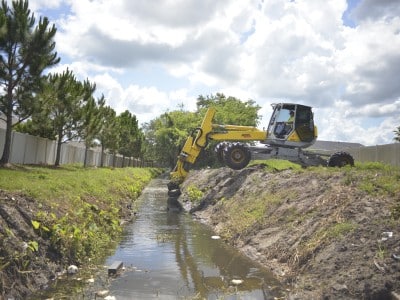
Flood mitigation efforts continue across Seminole County ahead of hurricane season
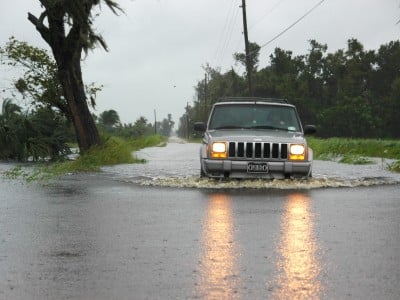
FEMA flood insurance reforms released ahead of hurricane season in Seminole County
Support critical, local news you rely on to stay informed, connected and empowered.
Choose a monthly amount
Hometown Hero
Community Champion
Rooster Society
Custom Amount
Thank you for your support!
Author

Related Articles
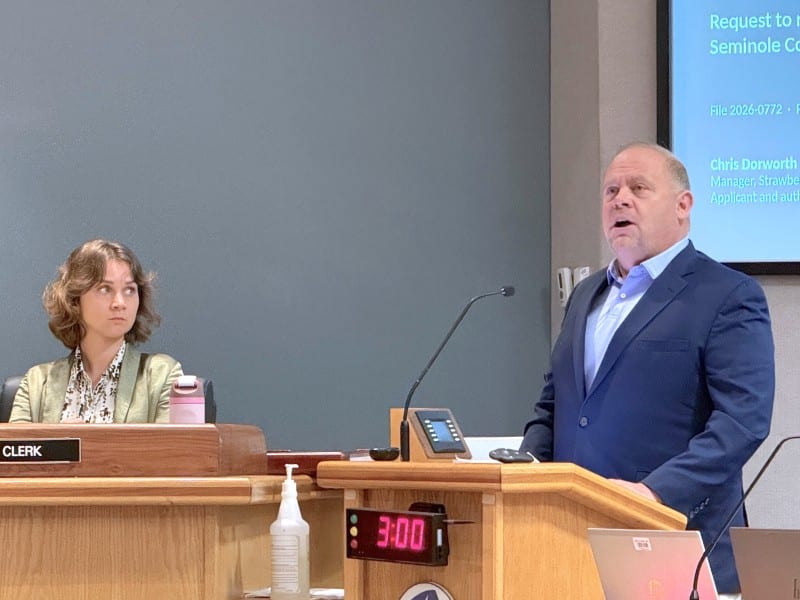
Zoning board: former Pappy’s Patch should remain inside rural boundary
Chris Dorworth’s proposed Strawberry Lane project at the former Pappy’s Patch near Oviedo now goes to the County Commission for a final decision.
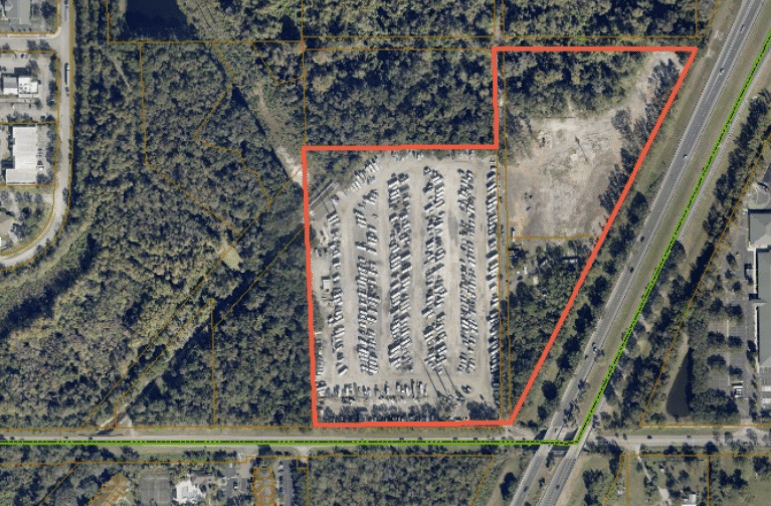
Apartments, townhomes on Seminole County agenda next week
Seminole County Commissioners could weigh in on two developments, including apartments near Lukas Nursery
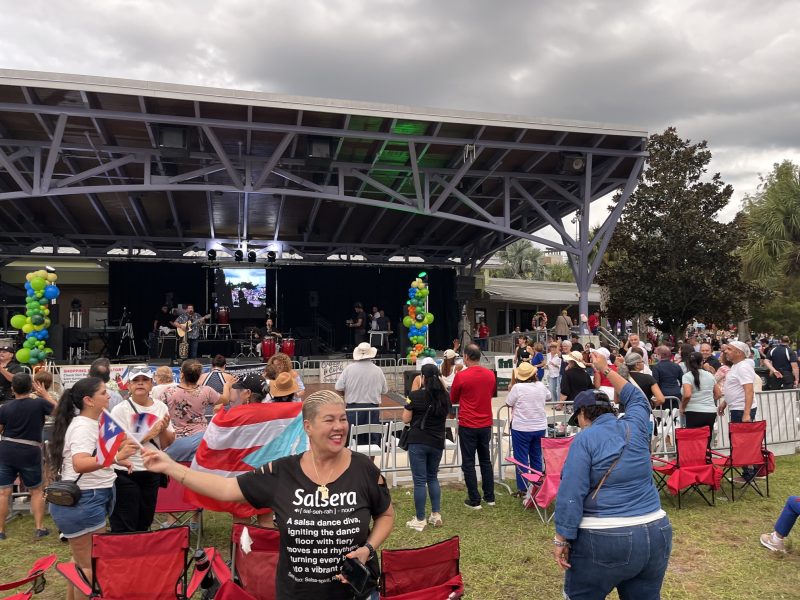
Viva Oviedo! Festival gets special permit for upcoming event
An impassioned plea following months of delays and communication issues led to big changes for a major event in Oviedo.
The volunteer-run Viva Oviedo! Festival that celebrates Hispanic heritage saw thousands of people attend its inaugural event in October 2025. It’s set to take place again at Oviedo on the Park on Oct. 17. Organizers had hoped this year’s festival would be in partnership with the city, but despite having ongoing conversations with city officials since at least March, no decisions had been made until the Oct. 5 City Council meeting.