
FEMA flood insurance reforms released ahead of hurricane season in Seminole County
Insurance officials say homeowners should review flood coverage and disaster plans before storms arrive. Many homes have none.
Years after Hurricane Ian caused widespread flooding and storm damage across Seminole County, a newly released federal report recommends major changes to the National Flood Insurance Program ahead of the looming hurricane season.
According to data published by the Florida Office of Insurance Regulation, Seminole County recorded 12,544 Hurricane Ian-related insurance claims. Of those claims, 6,720 were closed with payment, while 5,482 were closed without payment.
Hurricane Ian caused flooding and storm damage throughout Greater Oviedo and Winter Springs.
In Oviedo, the Econlockhatchee River swelled far beyond its banks in the storm’s aftermath, rising to 21 feet and spreading more than a quarter mile wide, inundating Willingham Road. The storm brought flooding into neighborhoods, including Ekana, Emerald Green and Oviedo Forest, with streets quickly disappearing beneath the rising floodwaters.
In Winter Springs, rapidly swelling Gee Creek ravaged nearby areas as roads and bridges closed throughout the city, including Shore Road, where segments were wiped out during the storm as water levels rose throughout the St. Johns River basin.
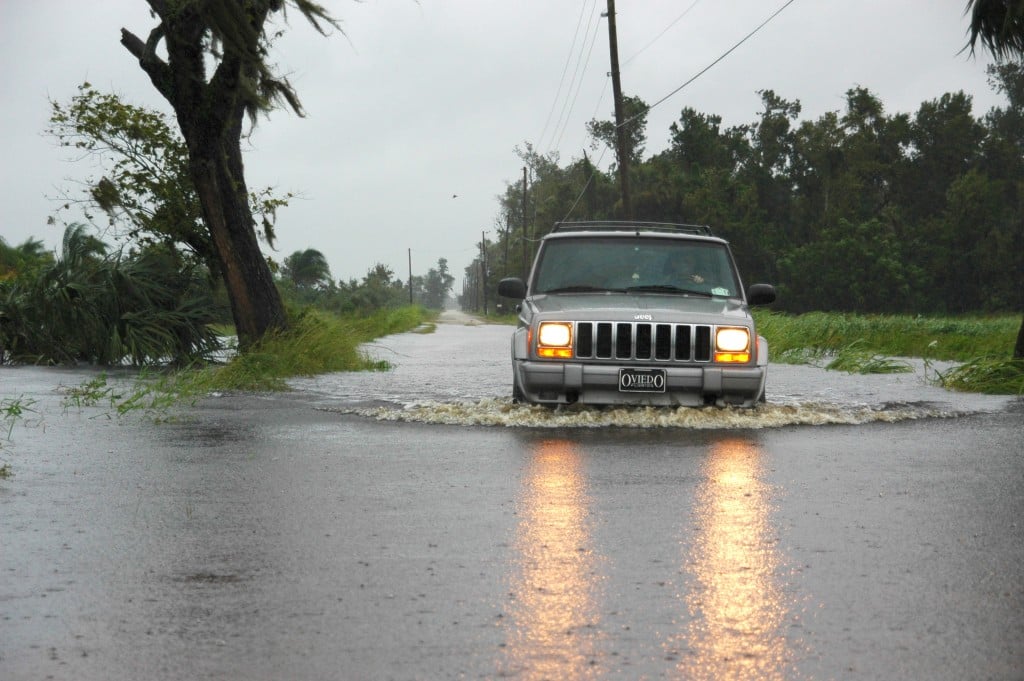
The widespread flooding and property damage caused by Hurricane Ian highlighted insurance concerns throughout Seminole County, particularly involving flood-related damage and coverage limitations. – Photo by Isaac Benjamin Babcock
The May 7 report from the President’s Council to Assess the Federal Emergency Management Agency recommended reforms intended to create what the Council described as a more “financially stable flood risk management system.”
The report states the National Flood Insurance Program faces “significant challenges that threaten its long-term viability,” carrying more than $20 billion in debt.
Recommendations in the report include expanding private-sector participation in flood insurance, revising flood maps and continuing FEMA’s Risk Rating 2.0 program. The report also recommends additional mitigation efforts for properties with repeated flood loss and the use of risk-based pricing models.
The report further encourages Americans to review insurance policies and disaster plans before storms occur.
In a separate FEMA release announcing the report, Department of Homeland Security Secretary Markwayne Mullin said, “FEMA is not the first responder, but rather a force multiplier standing shoulder-to-shoulder with states, tribes and local governments to ensure rapid and effective recovery.”
Florida’s Citizens Property Insurance Spokesman Michael Peltier said many homeowners incorrectly believe they are not at risk for flooding if they do not live within an official flood zone.
“That can be a devastating misconception,” Peltier said.
Peltier said standard homeowners insurance policies generally do not cover flooding caused by rising water or overflowing rivers. Damage caused by rain entering from above is typically covered under homeowners insurance, while flood-related damage requires separate flood insurance.
“If water comes from above, from rain, your insurance policy will cover that,” Peltier said. “If it comes from down below, from a flood, flood coverage will cover those claims.”
Lake Harney resident Cindy Decker said Hurricane Ian caused water to seep into the foundation of her home, damaging flooring inside and leading to a lengthy insurance claims process before repairs were fully covered.
“It took a long time for us to get them to give us the full value of what the damages were,” Decker said.
Decker said her home had not previously flooded during other storms in the 30 years she had lived there.
In an emailed statement, Florida Office of Insurance Regulation Press Secretary Shiloh Elliott said Florida’s insurance market has seen increased participation from private insurers ahead of hurricane season.
“The most encouraging trend is the influx of seventeen new insurance companies into the state, with more on the way; a clear signal that Florida is once again viewed as a stable and attractive place to do business,” Elliott said in the statement.
Elliott also said several major insurance carriers have recently filed for rate decreases or no increases at all.
Regarding Citizens Property Insurance, Elliott said that Citizens “successfully transitioned hundreds of thousands of policyholders back into the private market in 2025.”
Elliott encouraged homeowners to review policies before storms approach and said that standard homeowners policies usually don’t cover flood damage.
“We always suggest getting a head start now, rather than waiting for a storm to approach,” Elliott said in the email. “A quick conversation with your agent can help you understand your policy and ensure your coverage is up to date.”
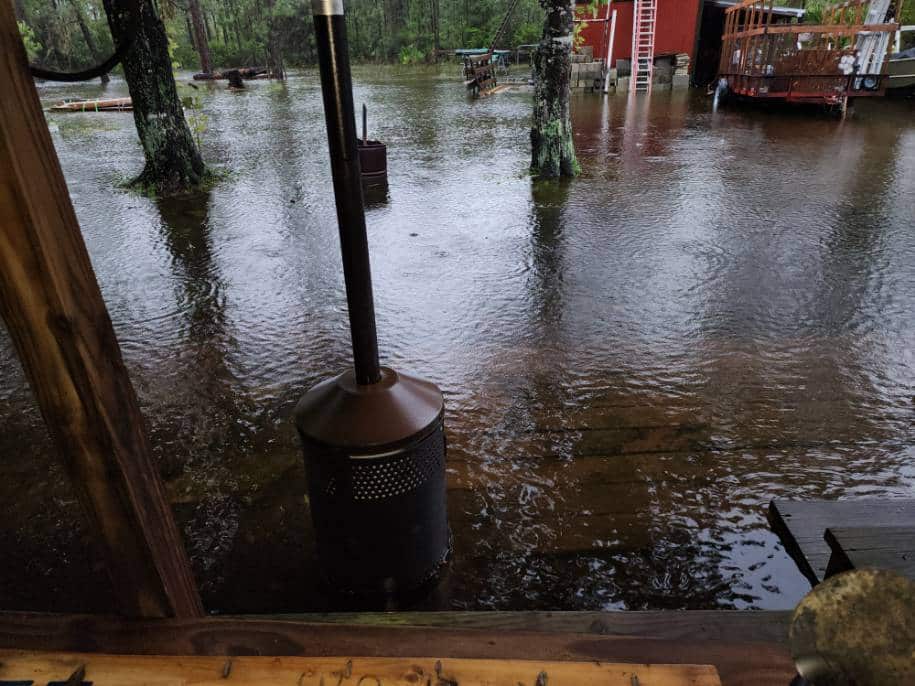
Peltier similarly encouraged homeowners to review their policies before hurricane season begins to better understand their protections and coverage limits.
He also recommended documenting belongings before storms arrive and storing important records in secure locations.
FEMA preparedness guidance also recommends documenting household belongings through photos or videos before severe weather strikes. The guidance further recommends securing outdoor objects, trimming damaged trees and reinforcing windows and doors against severe wind damage.
Peltier said disputes can sometimes arise after hurricanes when homes sustain both flood and wind damage from the same storm.
“There can be disputes about what caused what,” Peltier said.
The FEMA report states its recommendations are intended to accelerate disaster recovery, reduce the federal government’s financial burden and create predictable financial outcomes for homeowners.
Support local news!
Choose a monthly amount
Hometown Hero
Community Champion
Golden Rooster Society
Custom Amount
Thank you for your support!
Author

Related Articles
Flock license plate reader discussion leads to possible de-Flocking of Oviedo
Oviedo considers removing Flock license plate readers, among the reported 190 cameras installed in Seminole County.
Oviedo Mall kennel approved following dramatic public hearing
Pet rescue nonprofit in Oviedo gets go-ahead to begin boarding dogs over the weekend, despite neighbor’s claims that dog noise issues haven’t stopped.
Ryan Elijah upsets Rep. Cory Mills for U.S. House District 7
Embattled incumbent Cory Mills, facing ethics investigations, falls to former Fox 35 anchor Ryan Elijah, who now hopes to reach across the aisle.