
Seminole County approves $1.27 billion budget – without Flock cameras
One resident would rather the county put savings ‘back to residents’ ahead of property tax vote.
The Seminole County Commission finalized its property tax rates and a $1.27 billion budget Tuesday, cutting out funding for controversial Flock cameras.
George Sellery, a resident of unincorporated Sanford, said that the budget is “OK,” but that it could be reduced, but would’ve rather seen the budget increase match the inflation rate residents face every day. Seminole County is putting more money into reserves as Florida Amendment 3, on the ballot this November, threatens to cut more than $100 million from the county budget if approved and fully implemented.
“Rather than putting that money in (the county’s) piggy bank, I’d rather them give it back to residents who could use that money for affordability purposes,” Sellery said.
Geneva resident Nancy Harmon also told commissioners her concerns about how the budget changes will affect the community if Amendment 3 is passed.
“The county does help pay money for food,” Harmon said. “The county does help pay money for the homeless shelters. Those things probably will be cut. We’re harming our own people, our own community, and we just selfishly are going to do it if Amendment 3 passes.”
$1.27 billion budget passes unanimously
Seminole County’s tax rate for 2026-27 is the same as the year prior, which marked the first increase in revenue in more than 15 years.
It keeps the total millage of 8.2507 mills, or $825.07 for every $100,000 of a home’s taxable value, including both general property taxes and separate rates for the fire department and roads. The base tax rate $537.51 per $100,000 of value applies everywhere in the county, including inside cities like Oviedo and Winter Springs.
The property taxes for the fire department – $276.49 per $100,000 – apply to homes in the unincorporated county, as well as inside the cities of Winter Springs, Altamonte Springs and Casselberry, which do not have their own fire department. And some areas of the county will have special taxing districts for specific government services, which can affect the final rate.
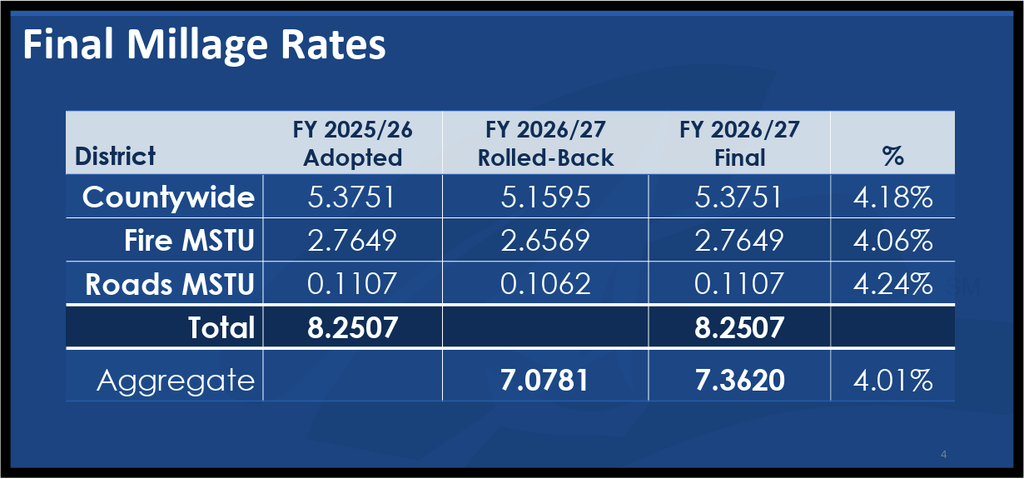
While the tax rate itself hasn’t increased, increased property values means the county is bringing in about an additional $20 million in tax money compared to the year prior.
One area where the county is saving money? Flock camera removals could save $750,000 next year.
Seminole County resident Joe Humphreys, a frequent critic of the Florida Fish and Wildlife Commission, including over use of Flock cameras, said he was glad to see $750,000 pulled from Seminole County’s budget as the sheriff stops using the cameras. The Flock system gave law enforcement an AI-powered database of connected cameras across the state to search for vehicles.
“I go back to what Ben Franklin said,” Humphreys said. “If you’re willing to give up your freedom in exchange for security, you’ll end up with neither. And that’s what it is.”
Still, others asked Seminole County to go further.
Gwynne Guthrie said she hasn’t really been a politically active adult, but felt the issue of mass surveillance was one she could speak out on. She asked county commissioners to institute a broader policy on automatic license plate reader cameras, known by the acronym ALPR.
“Our goal is to not have any ALPR cameras anywhere in the state of Florida,” Guthrie said. “We want them removed, we want the poles removed, and we don’t want anything replacing them. We don’t want them to be replaced with Axon or Motorola or any other brand.”
Guthrie said she was glad Florida Gov. Ron DeSantis issued an order to stop the use of the cameras on certain state roads. The Seminole County Sheriff’s Office stopped using the cameras this month, officials said. In Oviedo, after a contentious meeting between city officials, a Flock representative and the public, the cameras were removed within a day.
“We understand there may be questions, as some cameras remain physically in place,” the sheriff’s office wrote on Facebook. “To be clear, all cameras associated with our agency have been placed in a non-operational status and are no longer collecting or sharing new data. Under our contract, Flock is responsible for removing the equipment. We remain in contact with the company and have offered our personnel’s assistance to expedite the process.”
County Commissioner Jay Zembower said every police car in Seminole County already has an automatic license plate reader scanning vehicles, and the expressway authority uses similar technology to monitor and charge people for tolls.
He said the issue needs to be handled at the state level.
“The state needs to take a lead on it,” Zembower said. “They need to decide what kind of guardrails there are. It should be a statewide initiative. It shouldn’t be where one community has that asset and another doesn’t.”
Guthrie, the resident who has been going to city and county meetings to talk about Flock cameras, considers herself closer to a libertarian. But the issue has brought together people from all parts of the political spectrum.
“I think it is a non-partisan issue,” Guthrie said. “It’s definitely brought everyone together.”
Editor’s note: An earlier version of this article incorrectly characterized which county property taxes apply within city limits.
Abe Aboraya is a Report for America corps member.
Support critical, local news you rely on to stay informed, connected and empowered.
Choose a monthly amount
Hometown Hero
Community Champion
Rooster Society
Custom Amount
Thank you for your support!
Related Articles
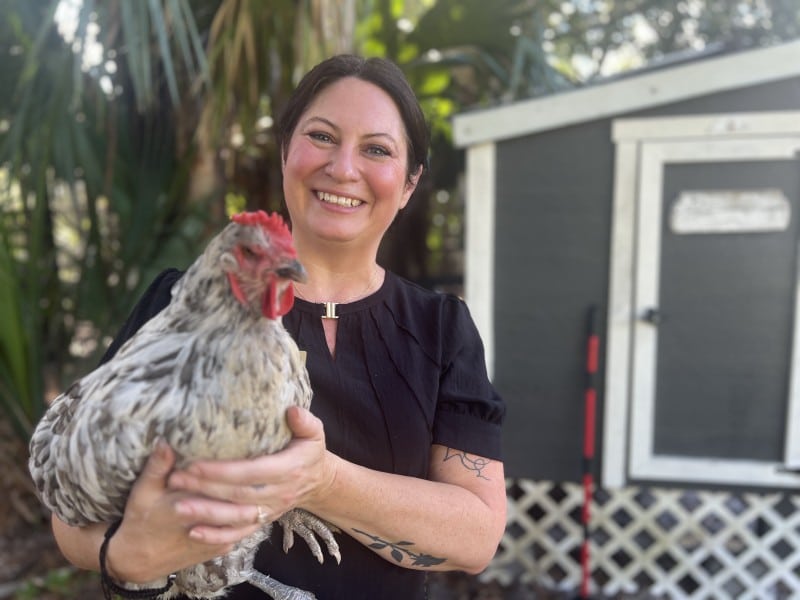
Attempted coop: Winter Springs makes first move to allow backyard chickens
Final vote at the end of the month to allow up to 20 backyard chickens in certain areas, but some residents want the city to wait.
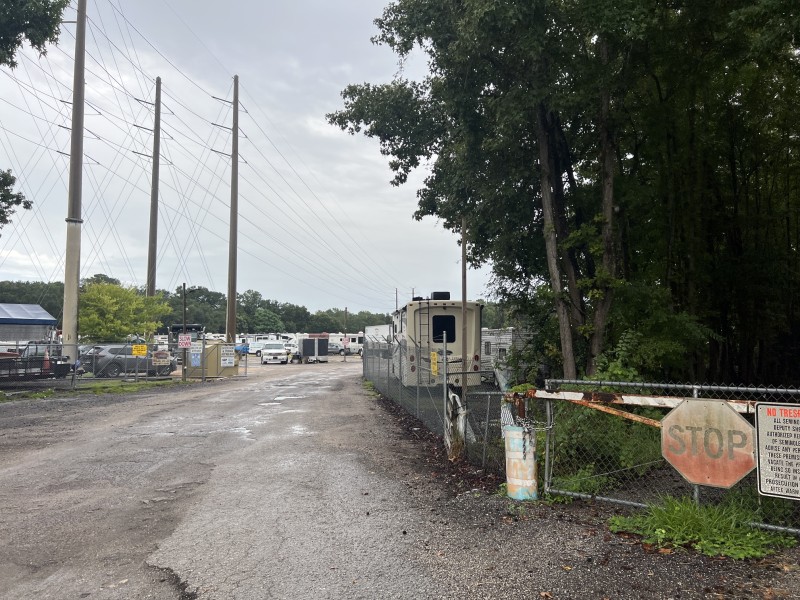
Seminole County approval could pave the way for 300+ apartments near Lukas Nursery
Greeneway Preserve still needs a detailed site plan before construction would start, as commissioners warn the area is ‘prone to flooding.’
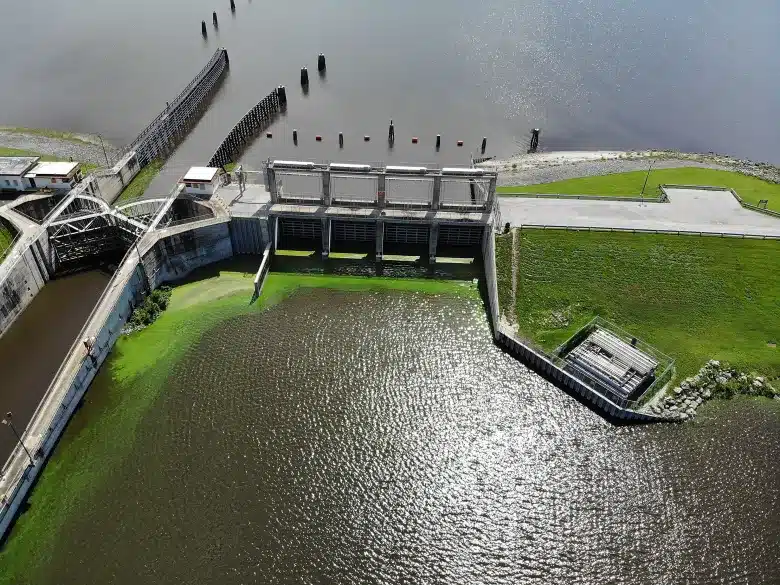
Watchdogs warn Amendment 3 may cut funding for flood control and drinking water
Florida’s water management districts depend on property taxes to fund about a third of their work preventing floods, securing the drinking water supply and conserving wetlands.