
Seminole County Democrats win every Florida House, Senate seat on the ballot
Republican supermajority is gone as Democrats gain 15 Florida House seats, but Republicans still in control
Seminole County’s entire slate of state politicians have flipped from Republican to Democrat in the 2026 midterm election, as the so-called “blue wave” crashed over Seminole County.
Four Florida House of Representative seats previously held by Republicans were flipped for Democrats, including the ouster of two incumbents. And Maitland’s Democratic Mayor John Lowndes beat incumbent Republican Senator Jason Brodeur, the second-in-command in the Florida Senate.
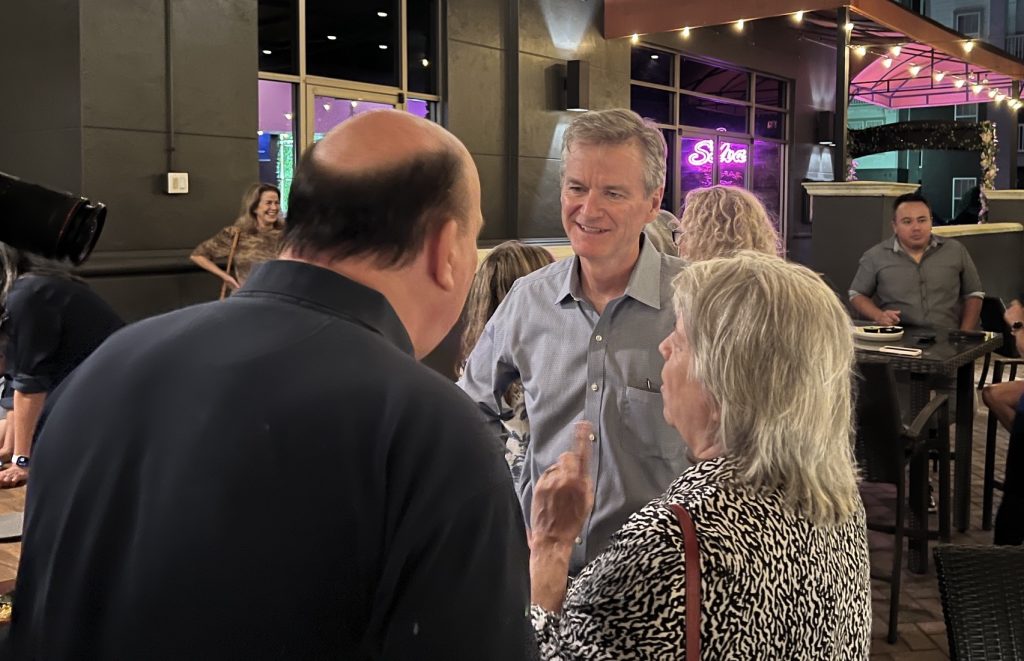
Lowndes arrived to a victory party in Maitland to cheers and shouts, louder as it became clear that he had won. Lowndes struck a conciliatory tone in his speech.
“Thank you all, to everybody, in Oviedo, Winter Springs, Geneva, everyone,” Lowndes said. “People who voted for me, and people who didn’t. I’m going to work for everybody.”
The results for Seminole County races are:
- Florida Senate District 10: Democrat John Lowndes unseats Republican Jason Brodeur
- Florida House of Representatives District 36: Democrat Darryl Block unseats Republican Rachel Plakon
- Florida House of Representatives District 37: Democrat Jane Aman defeats Republican Rob Prater
- Florida House of Representatives District 38: Democrat Nik Dean beats Republican Emily Duda Buckley
- Florida House of Representatives District 39: Dr. Jarod Fox unseats incumbent Republican Doug Bankson
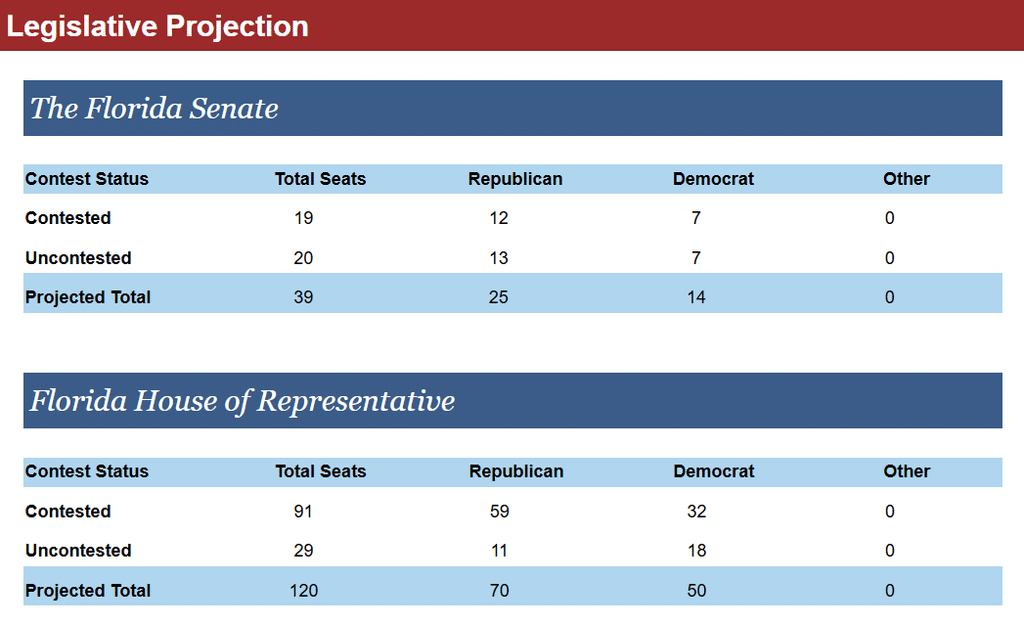
With Lowndes’ victory, Democrats made gains, but not enough to have a majority in either the Florida House of Representatives or the Florida Senate. Out of 40 Florida Senate seats, Republicans have 25 seats to Democrats 14. There is one Florida Senate seat still vacant that will require a special election.
But even if the vacant seat goes to a Republican, the GOP lost its supermajority threshold in the Florida Senate, which requires 27 votes.
The same is true in the Florida House of Representatives. Out of 120 seats, Democrats flipped 15 of them. Republicans hold will still hold a 70-50 majority over Democrats, but Republicans lost the supermajority, which requires 80 votes.
“That is somewhat historic,” said Aubrey Jewett, associate professor and associate school director at the University of Central Florida’s School of Politics, Security and International Affairs. “This is the largest number of Democrats since 1998 when Republicans took control.”
The end result, Jewett said, is that more Democrats will have more seats on committees in the state. Republicans also won’t be able to use the supermajority to suspend rules, which means Democrats would be able to slow down some legislation.
“That may keep some controversial things – especially if it’s controversial among Republicans – from passing,” Jewett said.
Rural boundary plays a role in Seminole County victories
At West End Trading Company in Sanford, Darryl Block sat down for an interview after the results came in and Republican Rachel Plakon conceded. During the interview, a man pulled up and told Block he had driven from another election party just to congratulate him and give him a hug.
Block said Democrats did well in Seminole County because they ran on affordability and the rural boundary.
“I think it’s a symptom of a larger issue, and that is that politics have gotten way too partisan,” Block said. “So, if you ask any Democrat what they ran on, their main issues are going to be protect public education. It’s going to be protect [the] rural boundary that we voted 82% to keep, and it’s going to be affordability issues. And those aren’t partisan issues; those are everyday issues.”
Seminole County Commissioner Jay Zembower, who would have been on the ballot if his Democratic opponent hadn’t failed to qualify, also agreed that the rural boundary played a role.
“I think the rural boundary was a player,” Zembower said. “And I think people just wanted a change. OK, let’s just change the horse.”
Democrat Nik Dean beat Emily Duda Buckley, a Republican who raised 10 times more money and had name recognition in Seminole County.
The seat was previously held by Republican David Smith, who was term-limited in the Florida House.
Emily Duda Buckly is a member of the Duda family, which has been operating a farming and land investment business in Oviedo for 100 years. She raised more than $518,908 for the election, compared to Dean’s $46,400.
In an interview before the result came in, she said she would still be as involved in the community as she had been.
“My family has been in this community for a hundred years: We’re not going anywhere, and neither is the love that we have for this community,” Duda Buckley said. “Regardless of the results tonight, I’m raising my children here, they go to school here, the vast majority of my ancestors are buried here. We are going to be staples of this community and do everything we can to make it grow and prosper.”
Every Democrat who won in Seminole County mentioned going after property insurance reform as a top priority, as well as figuring out what to do now that Amendment 3 has passed.
Speaking to reporters Wednesday, Florida Gov. Ron DeSantis said Amendment 3 helped to drive turnout for Republicans and helped them get more voters out. Florida managed to win every statewide race and to keep control of both houses of the legislature and the governor’s mansion.
He said other states should watch how Florida was able to maintain that during a blue wave. He mentioned Brodeur by name.
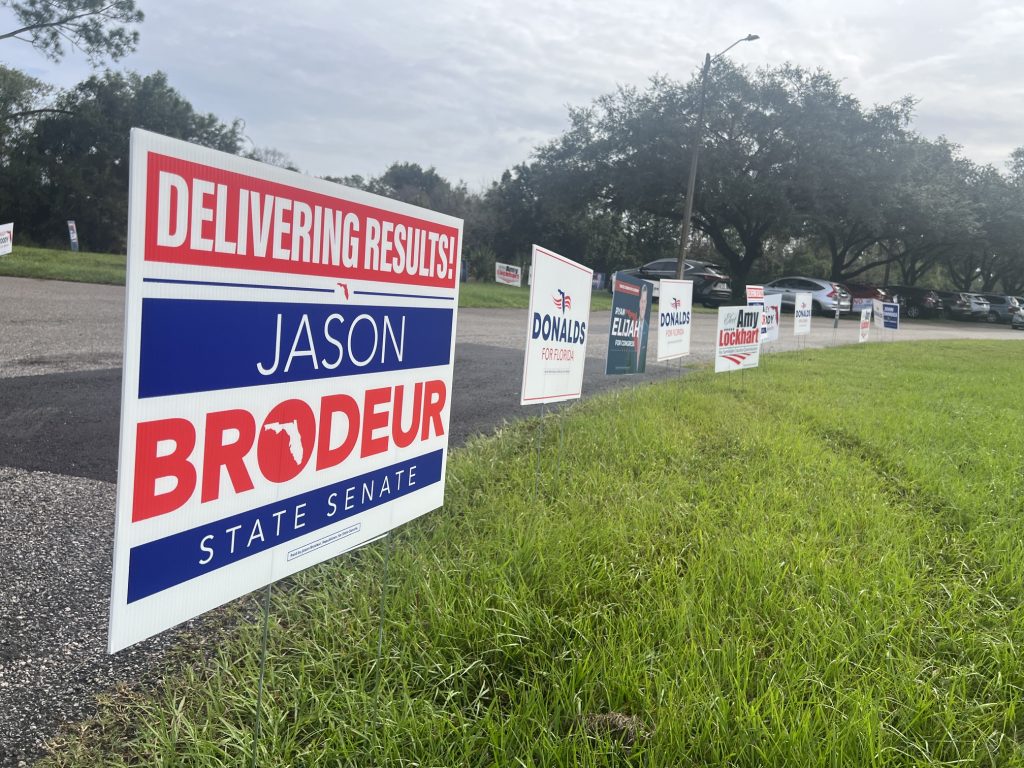
“Jason Brodeur was an excellent senator, and you know, I didn’t always agree with him on everything, but he worked very hard,” DeSantis said. “He put his constituents first. This wasn’t a reflection on him. He got caught up in a wave. He got caught up in a wave where people were coming out and they were going to vote D down the ballot.”
Abe Aboraya is a Report for America corps member.
Support critical, local news you rely on to stay informed, connected and empowered.
Choose a monthly amount
Hometown Hero
Community Champion
Rooster Society
Custom Amount
Thank you for your support!
Author

Related Articles
Election results: General Election 2026
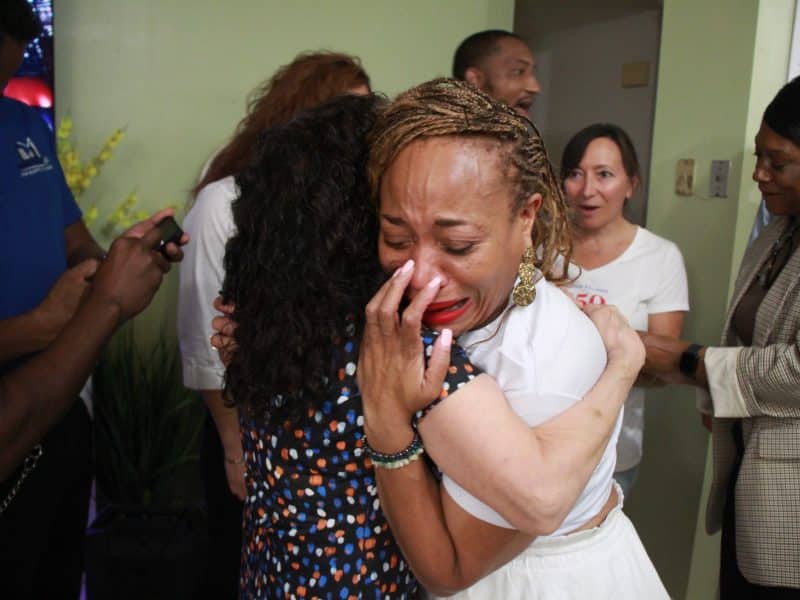
Big upsets rocked Seminole County politics and shook up the state legislature. Expect full Seminole County (and beyond) 2026 general election results as they come in live in this story.
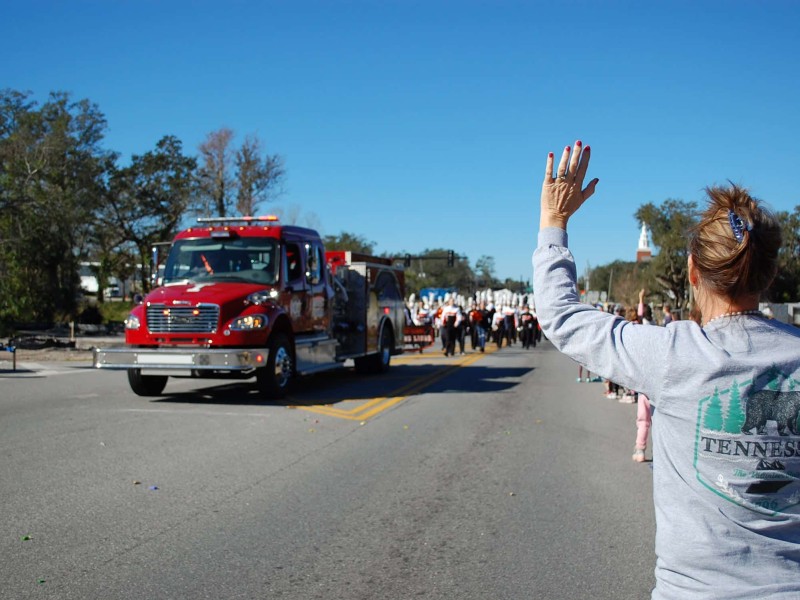
What Amendment 3’s passing means for Oviedo, Winter Springs
Cities in the wake of Amendment 3 passing now brace for millions of dollars in cuts, including projected losses of public safety workers and holiday events in Oviedo.
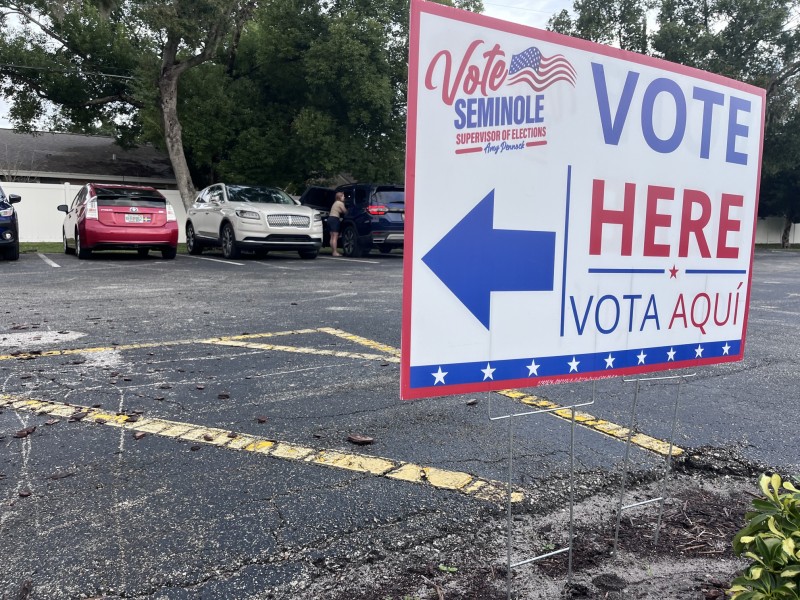
The issues bringing Seminole County out on election day: Trump, Amendment 3 and Winter Springs mayoral race
One Winter Springs resident says water treatment plants and water bill costs are his big issues


