
Seminole County could ban cat declawing, retail bunny sales
Update to local law would also explicitly ban leaving animals chained outside without shelter, and owners of dogs with a ‘propensity’ to be dangerous could be required to carry insurance
The Seminole County Commission on Tuesday made the first steps toward expanding protections for animals, including discussing a possible ban on removing a cat’s claws and banning retail bunny sales.
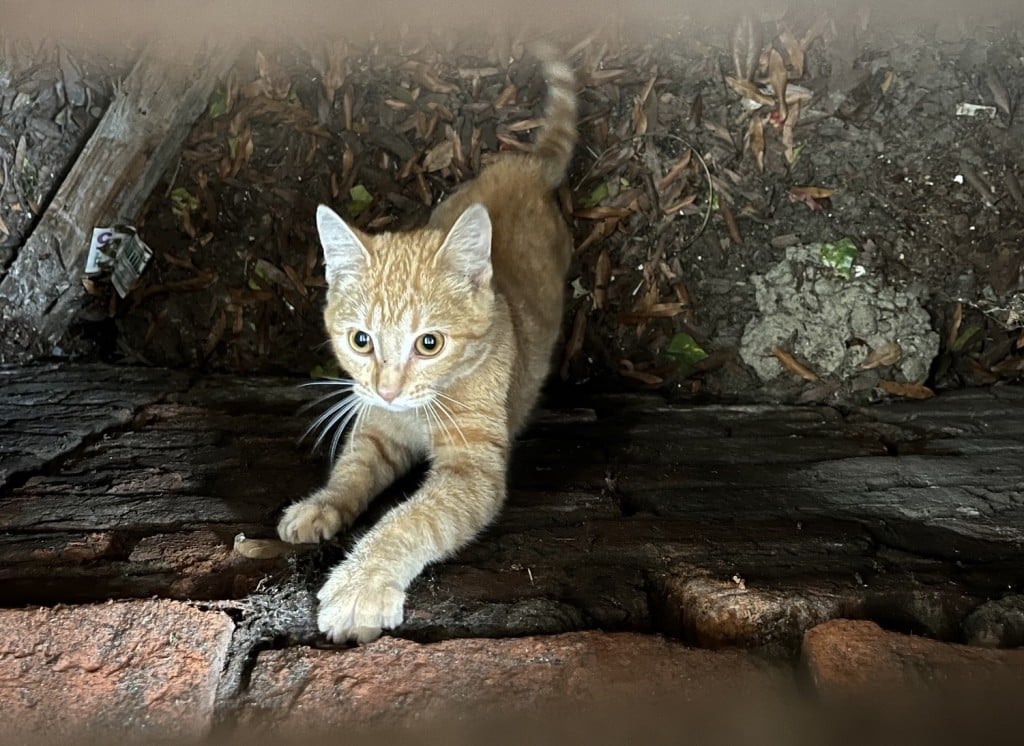
It’s one part of a larger update to the county’s animal services laws. In addition, Seminole County is also considering:
- Adding a new lifetime designation for animals with a “propensity to be dangerous,” which could require owners to carry liability insurance
- Require aggressive dogs to be monitored while outside, as well as to put up signs
- Explicitly ban keeping animals outside without shelter, and ban the use of keeping an animal on a chain or choke collar while tethered outside
- Administrative changes to make it easier for the county to take a dog or cat that’s being neglected or abused
Seminole County Emergency Manager Alan Harris, whose department oversees Animal Services, said the reason for the changes is public safety – for people, and animals.
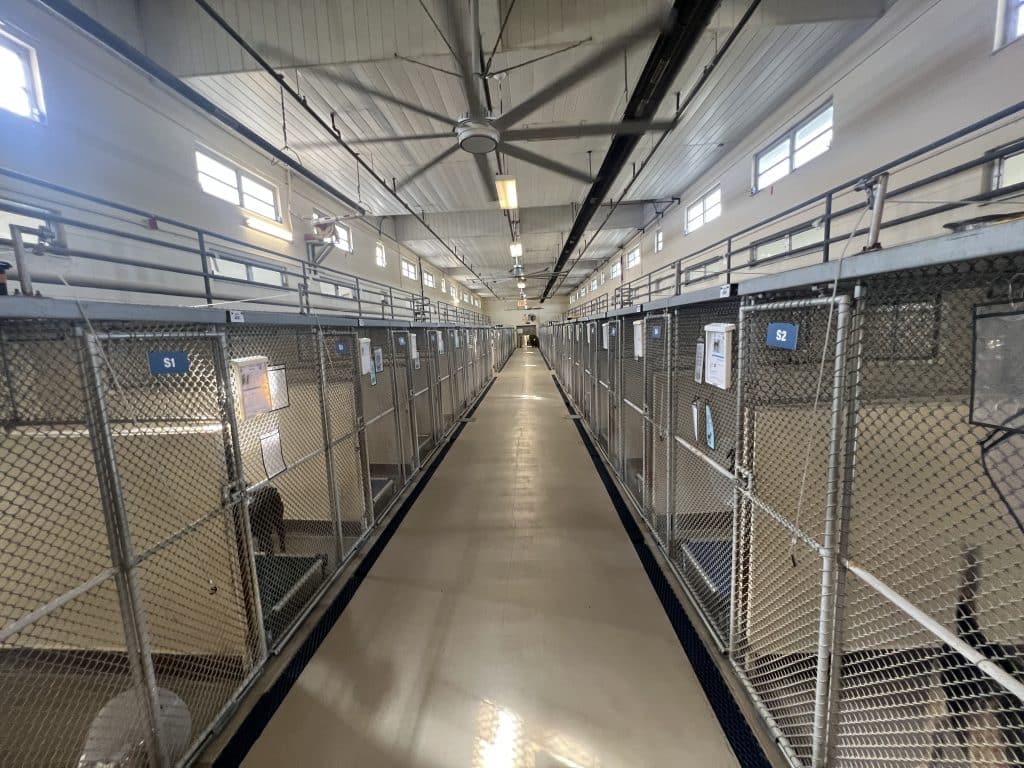
“The whole purpose of all of this is for public safety, and also for the safety of animals,” Harris said. “We don’t want an animal that is chained to a bar that the chain can get wrapped up and choke the animal. The choke collar, no water, no food. And we see those from time to time.”
Several of the proposed changes got some pushback from commissioners. At least two didn’t like the idea of requiring owners to have liability insurance – mostly because she said residents might not be able to find it.
“I do not like the requirement to have liability insurance,” Seminole County Commission Chair Andria Herr said. “Our goal is to prevent the liability, not have it covered by insurance.”
Want to contact your elected leaders and weigh in on this topic? Find their contact information here. Have a news tip or opinion to share with OCN? Do that here.
Commissioner Jay Zembower said he wanted to see a cost analysis for the proposed changes. He said banning rabbit sales could be a slippery slope: Why not guinea pigs or snakes?
“The difference for me between a guinea pig and a turtle and a snake – which I never thought I’d be having that discussion ever – is that there’s an annual holiday where children love to get a bunny,” Herr said. “There’s no snake holiday.”
“Yeah, April-May is a big rabbit time for us in the animal shelter,” Harris said. “We see lots of surprise rabbits about that time.”
Legal differences between dangerous dogs, aggressive dogs
State law dictates what qualifies as a dangerous dog.
To meet the threshold, a dog has to leave its property and kill two other animals without provocation. Dogs can be declared dangerous if they kill a human or bite them multiple times, causing serious injury.
Dangerous dogs can be confiscated and, potentially, killed. But dog owners have the right to appeal those findings to a judge.
Seminole County also has a lower threshold available: Aggressive dogs. A dog that leaves the owner’s property and, unprovoked, hurts a person bad enough to require medical attention or maims or kills an animal can be classified as aggressive.
The proposal is now that a dog already on the two-year probation for being aggressive can get a lifetime designation if there’s another incident in the next two years.
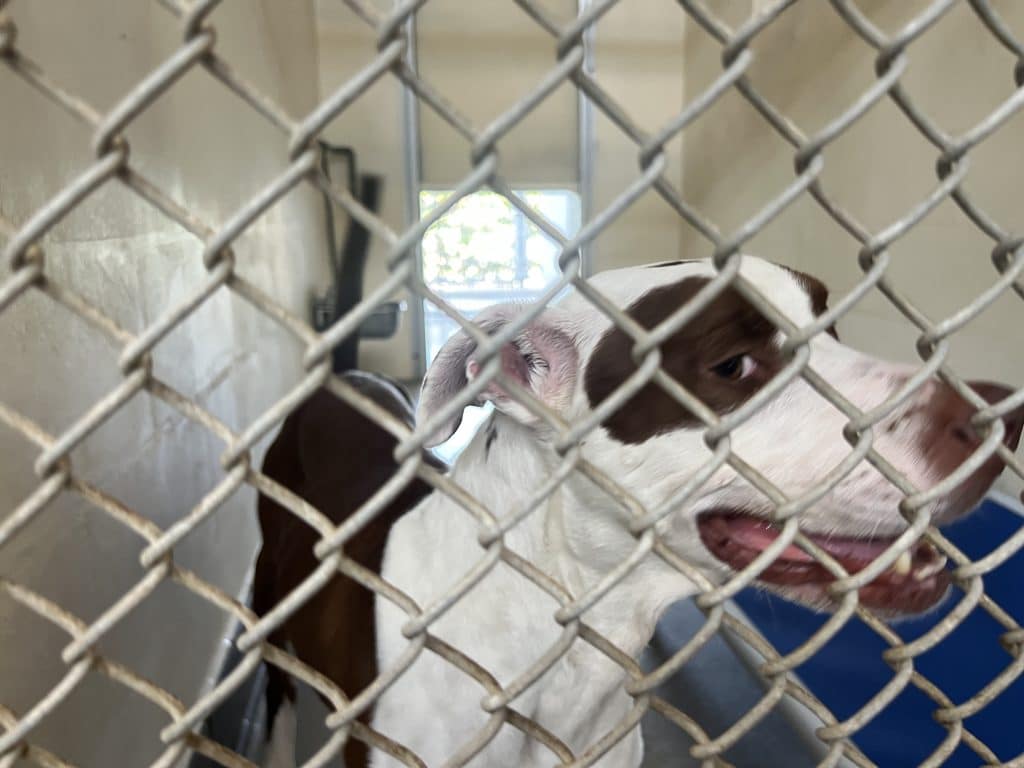
“The dog now has done something else: It’s attacked a family member, it’s attacked a guest at the family’s house and done something, but not reached the level of dangerous dog in Florida statute,” Harris said. “So this would add an additional lifetime designation propensity to be dangerous, and require the family to have liability insurance for that dog.”
County: Six veterinarians offer cat declawing in Seminole
Declawing a cat, or onychectomy, is actually a surgical procedure to remove the last portion of the cat’s toes.
The American Veterinary Medical Association “strongly advises” veterinarians against doing the procedure unless there’s a valid medical reason for the animal.
Check here for a literature review of the impact of declawing cats.
“Scratching is a normal behavior of cats that conditions the claws, serves as a visual and scent territorial marker, allows for self defense, and provides healthy muscle engagement through stretching,” the group wrote. “The amputation or other surgical alteration of the distal digits is an acutely painful procedure and may result in chronic pain, maladaptive behavior, disability, and significant mutilation.”
Winter Springs resident Carla Wilson has been advocating for the changes as a volunteer with Humane World for Animals, the nonprofit formerly known as the Humane Society. She said cats who have been declawed often won’t use the litter box and can become aggressive – two reasons cats end up donated to a shelter.
“We’re glad they’re taking on the declawing to make our county a more humane one for animals,” Wilson said. “It’s the equivalent of taking off our thumb.”
Wilson’s husband serves on the Animal Control Board, which supported the proposed changes at a meeting earlier this year.
Florida does not have a statewide ban on declawing cats, but Volusia County banned the practice in 2022. According to the Animal Legal Defense Fund, six states and the District of Columbia banned declawing in 2025, three more states than the year prior. The states with full or partial bans are: New York, California, Massachusetts, Rhode Island, New Hampshire and Virginia.
According to the county, there are only six veterinarians in Seminole County who will declaw a cat. There’s one store that sells rabbits.
“There are six vets in Seminole County that actually declaw cats, out of 72 vets,” Harris said. “The practice isn’t even taught anymore at the University of Florida, which is our vet school here in the state of Florida.”
Judy Sarullo runs the private nonprofit Pet Rescue by Judy, a no-kill shelter for cats and dogs. She said they won’t adopt a pet if the person will declaw them.
“It’s unjust. Do you know how many cats are declawed that are outside on the streets?” Sarullo said. “They abandon them. They have no claws. They can’t protect themselves. They can’t climb a tree to get away. Yeah, I mean, it messes them up mentally. Take off your kids’ fingers or take off your fingers. See how you feel.”
Ultimately, the proposed changes will come back to the County Commission, likely before the end of the year. Outgoing Commissioner Amy Lockhart cautioned that banning declawing and bunny sales could be a slippery slope.
She said the government shouldn’t get between a breeder and a vet.
“Tomorrow it will be some other group,” Lockhart said. “It will be the docking of puppy’s tails, or cropping of ears, or any other number of procedures that qualified licensed veterinarians in the state of Florida perform.”
Abe Aboraya is a Report for America corps member.
Support critical, local news you rely on to stay informed, connected and empowered.
Choose a monthly amount
Hometown Hero
Community Champion
Rooster Society
Custom Amount
Thank you for your support!
Author

Related Articles
St. Alban’s Church gets approval to expand private school up to 12th grade
Expansion of Christian private school planned for fall 2027 using state vouchers for tuition

Oviedo charter amendments: one resounding win and a narrow victory
Oviedo residents heavily backed additional rural boundary protections in the same election night that saw Jason Brodeur, who attempted to reduce rural protections, ousted.
Santos stuns Lockhart in Seminole County Commission upset
Lockhart had served two terms before being swept up in what’s been dubbed a “blue wave” election. Santos will be the first Black woman to serve on the Seminole County Commission.


