
No Seminole County school had a Holocaust studies class, so this Hagerty teacher made one
Megan Thompson goes in-depth on a mass genocide that one in eight adults, according to a 2020 study, have never heard of.
This article is brought to you by Hagerty High School’s student-run newspaper, The Blueprint, through a partnership with Oviedo Community News called the Cub Reporter Program, which seeks to amplify young journalists’ work and their service to the community. You can also find this article on The Blueprint’s website.
No school in Seminole County had a Holocaust Studies course. That is until Holocaust Studies teacher Megan Thompson decided three years ago to bring this course to the class catalog at Hagerty.
In a typical world history class, the Holocaust gets one or two days of coverage. When the administration asked if there were any academic electives that students wanted to take, Thompson jumped on the opportunity to bring the elective into fruition.

“I’ve noticed that a lot of students do have an interest in [the Holocaust] and want to learn more about it, but they just don’t have enough time in a world history class to cover it,” Thompson said.
In the three years since the class’s creation, the amount of participation and knowledge has only increased.
Taught by Thompson during third period, Holocaust Studies is a semester-long course that teaches students what happened from the end of WWI through the creation of the state of Israel.
“For the most part, [the course] goes through 1919 to 1948 and it’s looking at what happened, why it happened, and what are the effects of the Holocaust that can still be seen today,” Thompson said.
Currently, students are learning about the ghettos and the lives of Jewish people who were forced into them. Thompson includes lessons on what antisemitism has looked like throughout history, how Hitler rose to power and Germany’s shift from a monarchy to a democracy to a dictatorship.
One of the things that I really like doing at the beginning of the semester is talking about some antisemitic tropes and myths that exist because a lot of students have heard them, but don’t necessarily know that they’re antisemitic, or know where they came from or why they exist in the world. I like doing that because it exposes them to [the fact that] antisemitism still exists. — Megan Thompson, Holocaust Studies teacher
Most assignments in this class are group-based, and require students to share their opinions with each other in discussions. There is rarely homework, except for vocabulary flashcards.
Students not only learn how the Holocaust unfolded, but also gain the analytical skills necessary to prevent future tragedies. Especially in the lessons involving German propaganda against the Jewish people, Thompson teaches how antisemitic troupes can be used to alienate an entire ethnicity, and how political instability can lead to public manipulation.
“I think [students gain the ability] to analyze the events of the past and see warning signs for potential problems that could exist today, when a authoritarian leader tries to seize power or to commit ethnic cleansing or genocide, what the warning steps in that [are] and what can students do as one individual person [to] potentially stop it,” Thompson said.
For younger students, learning about the Holocaust is essential because it is a widely misunderstood event, and one that has even been painted as a lie by certain groups.
In a 2020 study conducted on Millennials and Gen Z adults from age 18 to 39, around a quarter of those in the study believed the Holocaust was exaggerated, or was a myth. Furthermore, one in eight stated that they had not heard about the Holocaust.
Freshman Zoe Jenkins joined this class because of her love for history. Since taking this class, Jenkins has gained a deeper sense of empathy for the victims of the Holocaust, and an understanding of what they went through.
“I enjoy watching video testimonies and connecting with the victims of the Holocaust,” Jenkins said. “This is not a class for people who just need to take something and pass. It’s a very emotional class, and you have to be able to connect with people.”
Students who want to learn the darker yet more important sides of history, and learn to see these tragedies through all perspectives should take Holocaust Studies.
“As the great-grandchild of Holocaust survivors, it’s deeply personal to me [and] my family,” Thompson said. “ I think it’s really valuable. One in three American youth can’t name a single concentration camp, and so I think that it really is important for students, and [students] interested in it.”
Sorry for the interruption but please take 1 minute to read this. The news depends on it.
Did you know each article on Oviedo Community News takes anywhere from 10-15 hours to produce and edit and costs between $325 and $600? Your support makes it possible.
We believe that access to local news is a right, not a privilege, which is why our journalism is free for everyone. But we rely on readers like you to keep this work going. Your contribution keeps us independent and dedicated to our community.
If you believe in the value of local journalism, please make a tax-deductible contribution today or choose a monthly gift to help us plan for the future.
Thank you for supporting Oviedo Community News!
With gratitude,
Megan Stokes, OCN editor-in-chief
Thank you for reading! Before you go...
We are interested about hearing news in our community! Let us know what's happening!
Share a story!
Related Articles
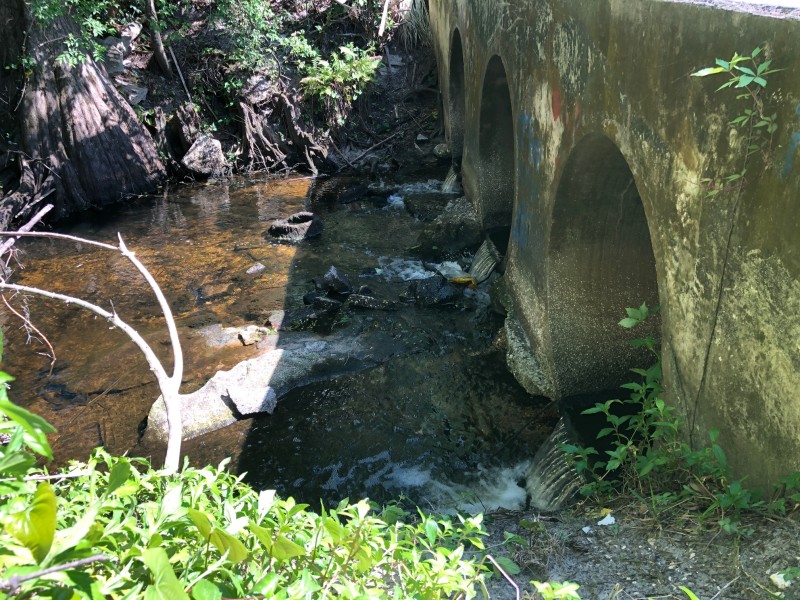
Winter Springs stormwater rate could go up to pay for pond maintenance
Rates would eventually double to $20 per month by 2030, under a proposal commissioners workshopped this week
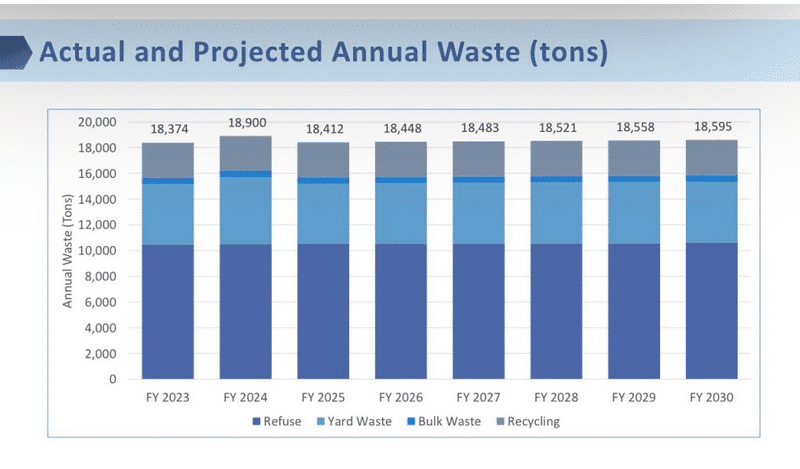
Oviedo residents may see significant increase in trash collection rates
Trash collection rates could rise several times in the next few years if a plan goes forward, in response to increasing costs from inflation and other factors.
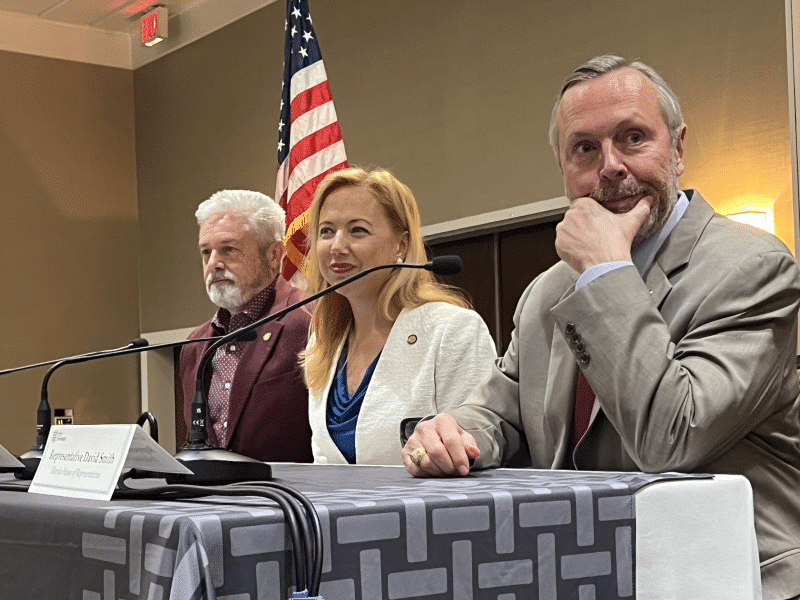
Seminole County legislators: Rural boundary is safe ‘for now’
Local lawmakers anticipate three special sessions between now and August to tackle budget, redistricting and property taxes.