
Winter Springs votes to raise stormwater rates by $5 per month
‘It may stop us from being re-elected,’ commissioner says, as city finalizes plans to maintain city, community stormwater ponds to prevent flooding
The Winter Springs City Commission voted to increase stormwater rates for residents next year by $5 a month next October to fund efforts to stop flooding during storms and hurricanes.
The money pays for a new four-person crew to do stormwater pond maintenance, and put in place a plant to maintain the public and hybrid stormwater pond infrastructure in the city. Clete Saunier, the Winter Springs Public Works director, said 2022’s Hurricane Ian was the catalyst for the increase.
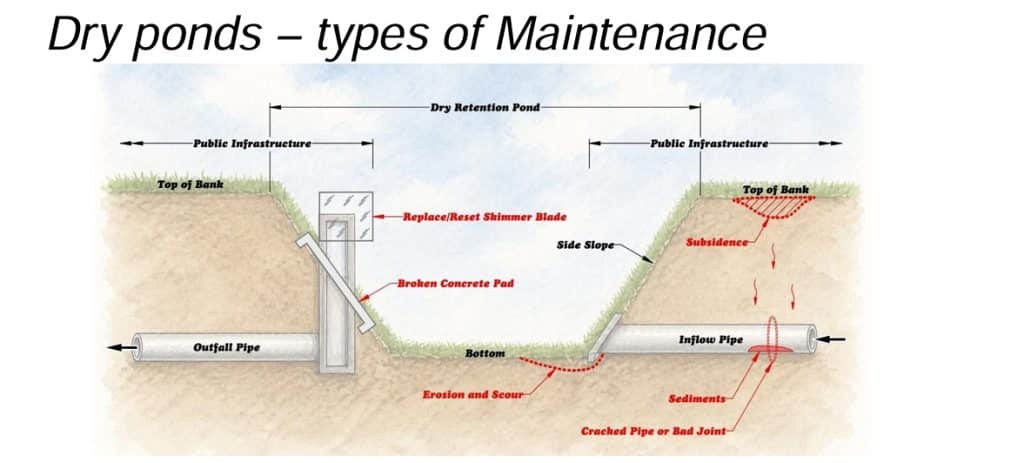
“In the aftermath of Hurricane Ian, there was a huge public outcry on the Commission at this time to please help us, please do something to keep us from suffering the way we have from the flooding event,” Saunier said. “Now Ian was a storm of historic proportions. There’s no stormwater system in the state of Florida that can handle that. However, it did point out a few things that we needed to work on to correct our stormwater infrastructure in a way that alleviates flooding during most flooding events, including a normal hurricane event.”
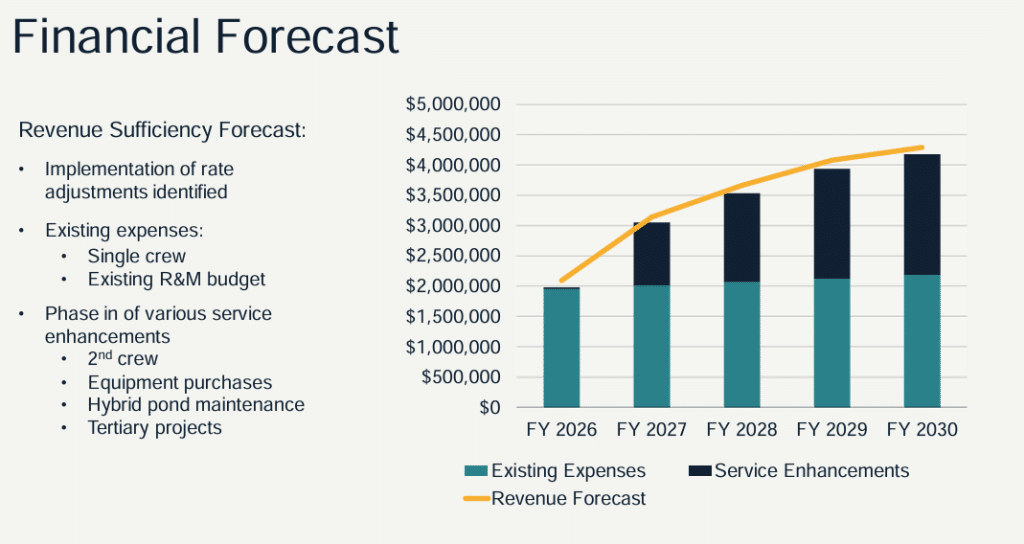
Ultimately, if the second vote is finalized next month, residents will see their base stormwater rate go from $10 a month to $15 a month starting Oct. 1. Then it will increase more gradually, and by 2030 it will be $20 a month.
Want to contact your elected leaders and weigh in on this topic? Find their contact information here. Have a news tip or opinion to share with OCN? Do that here.
Commissioners heard from a number of residents on the stormwater rate increase. While some were opposed, most were in favor of it – as long as the money is being spent properly.
Many residents talked about the stormwater rate increase coming at the same time as another item on Monday’s agenda – Seminole County asking for $2.6 million in gas tax money over 10 years to help pay for a connector road from State Road 417 to the Orlando Sanford International Airport.
Winter Springs resident Erin Ash said he appreciated the lively debate about whether or not to raise the fee.
“I would appreciate if the money we’re spending on things goes toward water projects within our community and protecting people from flooding – you have experts here, they’re telling you how to do that – a lot more than I would appreciate our five cents of gas tax going to some road in another city,” Ash said.
City manager: Stormwater fund was operating in the red
So what does an extra $5 a month get you in Winter Springs?
In total, Winter Springs has 15,580 residential homes paying for stormwater. Of those, 10,500 pay the full price, and another 5,078 pay a reduced rate because they live in a homeowner’s association with a fully functioning stormwater system they maintain. There are also commercial customers who pay what’s called an “equivalent residential unit,” or ERU. They currently pay $10 ERU for every 2,123 square feet of paved-over area.
“If they have large footprints, large parking lots, they’re going to have more stormwater runoff and they’re going to pay their share of the total system’s burden,” said Joe Williams, a consultant with Raftelis Consulting, which was contracted by the city to study and evaluate the stormwater rates.
The increase would ultimately double the revenue the city would get for stormwater, from about $2 million currently to more than $4 million per year by 2030.
Winter Springs City Manager Kevin Sweet said no one wants to raise rates, but “kicking the can down the road” isn’t an option.
“It’s necessary to address the animal in the room: Our stormwater is an enterprise fund, which means it should be self-sustaining, and it has not been,” Sweet said. “Prior administrations have been moving general fund money into that account to keep it operational. So the stormwater enterprise fund has been running in a deficit, even maintaining existing services.”
So what would that buy?
Aside from the four new employees to do the stormwater pond maintenance, it would also include trucks and equipment for the new hires and the department. The city would commit to visual inspections of every public and private stormwater pond in the city.
But it would also allow the crew to do a higher level of maintenance for the 88 hybrid ponds in the city, and would eventually budget for a higher level of maintenance for six ponds annually, at a cost of an estimated $152,000 per pond. The most expensive part of that budget is a built-in $120,000 cost per pond to reline pipes as needed, at a cost of $275 per foot; the average stormwater pipe in Winter Springs is 400 feet long.
The fund would also have a built-in cushion where, eventually, up to six “tertiary,” or less expected, projects could be done. That could also include work to maintain or remove sediment in creeks in the city.
“The rates would cover for the anticipated revenue to operate, run and operate, the entire stormwater division, which includes all the maintenance of the creeks, the continued lake treatment happening at a number of locations, and a number of the tertiary projects,” Sweet said.
Commission narrowly passes the rate increase
With the current makeup of the City Commission, getting the rate increase across the finish line was not guaranteed.
Commissioner Paul Diaz was a vocal critic of the project, raising his voice and getting animated. Diaz at one point asked the City Commission to also agree to a separate $5 million in budget cuts in the general fund if the city was going to increase the rate.
“I still have not heard an argument for cutting the size and scope of the government,” Diaz said. “I have not heard one argument. All I’ve heard is make it bigger, and everyone who gets a paycheck from the government sure has a say in why we go ahead. The best way to get a government to live within its means is to choke it of all of its revenue sources. All of it. If our revenue got cut in half, we’d find things to cut.”
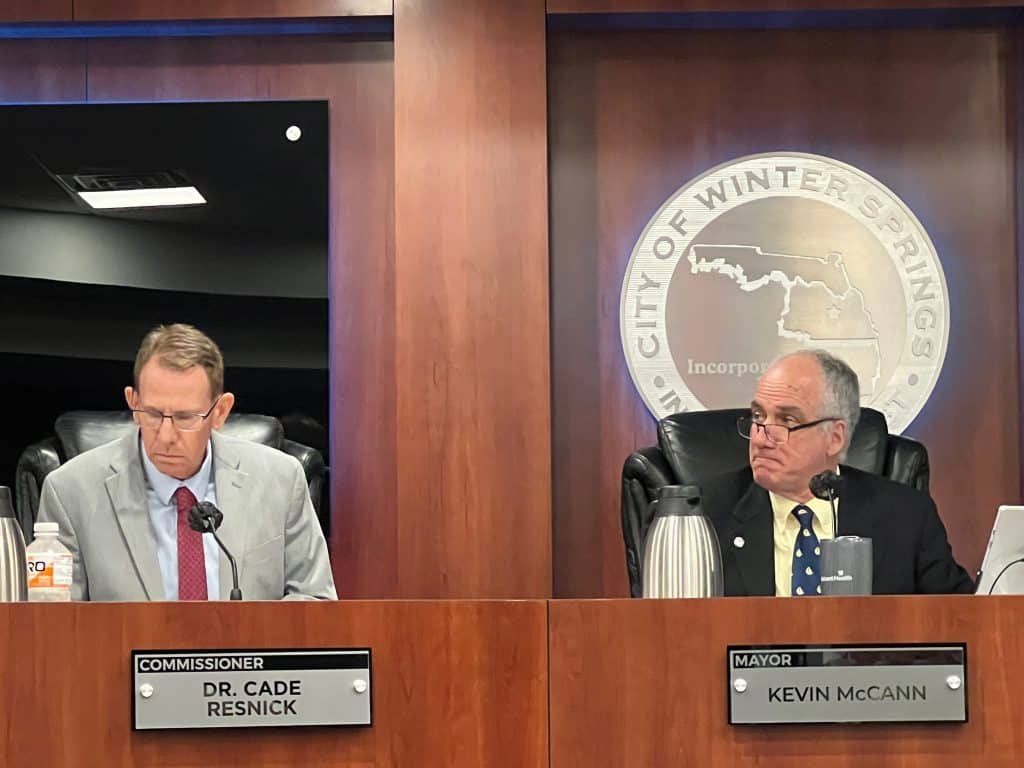
Winter Springs Mayor Kevin McCann spoke in favor of the fee increase. “You ran on this topic,” McCann said to Winter Springs Commissioner Mark Caruso.
But Caruso also came out against the measure early on, saying the city needed to put a pause on the project.
“I don’t disagree with anyone, but I think at the time we’re in right now, we’re going through some really bad things right now,” Caruso said. “I don’t think this is the right time to do this. There’s a lot of families struggling.”
Commissioner Cade Resnick said he wasn’t going to “fall in line” and vote against the tax increase, indicating he was a yes vote. And Commissioner Sarah Baker also came out in support of the increase; Baker ran for office after experiencing wastewater backup issues at her home.
“I moved here for a reason, and yes, I am struggling because of all the cost increases – insurance, taxes, gas, everything,” Baker said. “I am struggling. But that doesn’t mean I want my home to flood because I’m struggling. We have to figure this out.”
With Commissioners Resnick and Baker coming out in support of the project, and Diaz and Caruso coming out against it, the swing vote ultimately came down to Commissioner Victoria Bruce.
Initially, Bruce seemed to be against the fee increase. Bruce is also up for reelection, but has not drawn an opponent.
At one point, Bruce floated the idea of increasing the fee a smaller amount, or voting on the increases every year.
“Is there a way we can modify this schedule, make it less?” Bruce asked.
David Hamstra, an engineer with Pegasus Engineering, told commissioners he looks at the cost increases through a different lens. He said the people who are on the tightest budgets also are the least likely to have flood insurance, and are hurt the most if their homes flooded.
He recalled seeing residents with all their belongings out on the road after a flood.
“I’m not saying $60 a year will fix all of our problems, but for god’s sake, it will at least get us started,” Hamstra said. “We’ve been talking about this for too long. Listen, whether I get any work out of it or not is not important to me. But I hate seeing people I’ve gone to crying because they’ve lost everything. … Everything’s in the street they owned. And for $60 a year, I think they would have felt that was money well spent.”
Immediately after Hamstra spoke, Bruce asked if she could make a motion to approve the rate increase.
Election concerns raised during close vote
The issue of raising taxes is expected to be a political one come next election.
This November, two Winter Springs City Commission seats and the mayor are up for election. Jesse Phillips, the cofounder of the Winter Springs Community Association, is running for mayor against McCann.
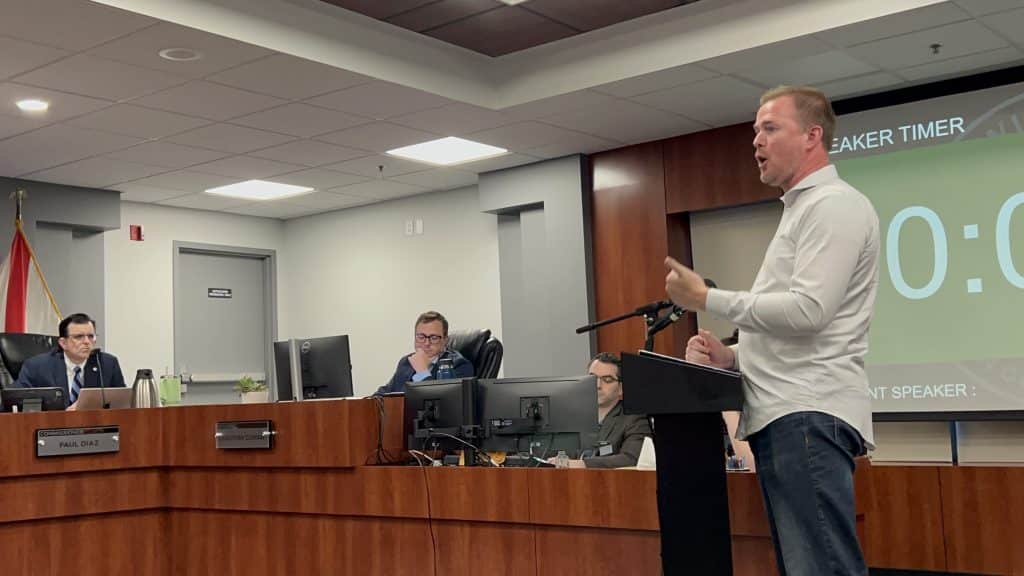
Phillips said he would urge commissioners to vote no on the fee increase, and said residents can’t afford another hike to utility bills.
“We have an emerging affordability crisis in Winter Springs,” said Phillips, the former vice chair of the Republican Party of Florida. “It is increasingly difficult to afford to live in this city. We’re squeezing out both seniors and young people. … At some point we have to say enough is enough.”
Rev. Kyle Stewart, who is running against Commissioner Resnick, encouraged the commissioners to vote in favor of the increase. But living in The Highlands, he said, there are people who are hurting financially.
“To say that the pain that all our citizens are going to be feeling through this is the same you will be feeling is not true,” Stewart said. “It’s going to be disproportionate.”
Resnick talked about how difficult it was to have conversations about raising stormwater rates. It comes after the city has raised rates for garbage collection and wastewater rates. He called it the “hard decisions” that came after sitting with residents who lost homes to flooding.
“To me, the city has survived a broken system that maybe I was part of,” Resnick said. “But we put the effort to do it right. Tonight is that last piece.”
But Resnick acknowledged there could be political fallout from the vote.
“It may stop us from being re-elected,” Resnick said. “But doing what’s right so we have a city 50 years from now, that’s what I’m proud of.”
Abe Aboraya is a Report for America corps member.
Support local news!
Choose a monthly amount
Hometown Hero
Community Champion
Golden Rooster Society
Custom Amount
Thank you for your support!
Author

Related Articles

Winter Springs votes for property tax rate cut as Amendment 3 looms
‘This is a miracle,’ one commissioner who’s up for reelection says after tax cut vote.
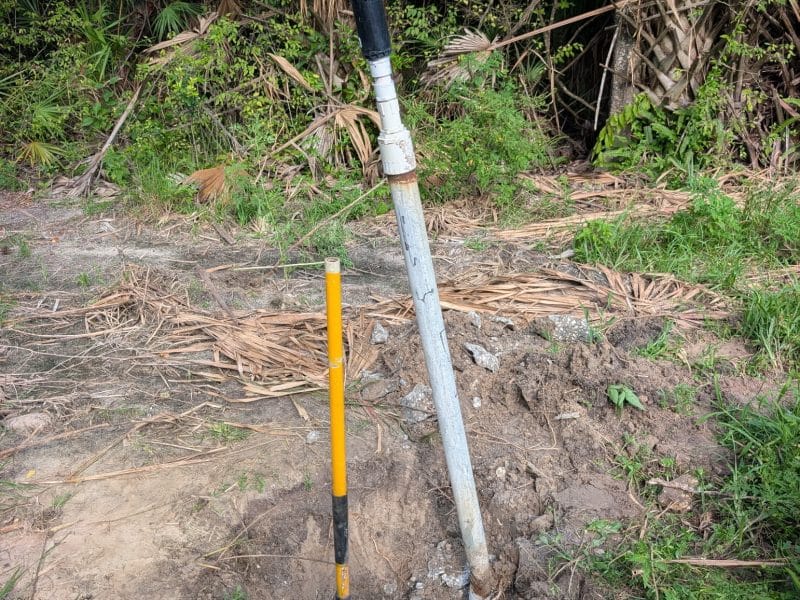
Winter Springs to add cameras, more no trespassing signs after reclaimed pipe break
Officials said no report to the Florida Department of Environmental needed after city says vandals likely broke pipe near drain field, causing a reclaimed irrigation water spill.
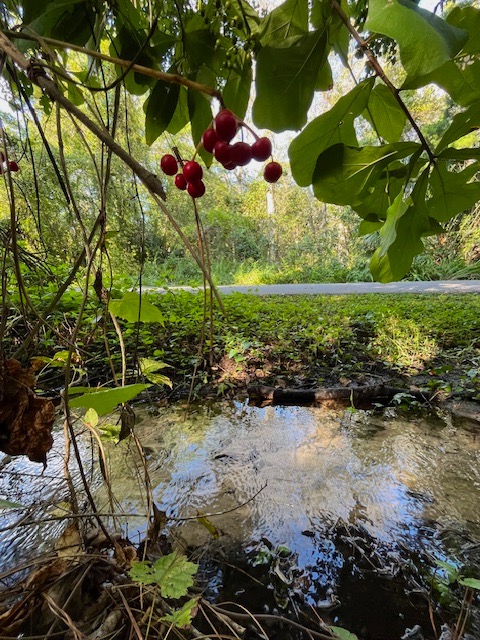
Residents worry about flooding issues at Jetta Point as it loses conservation designation
“I caught four catfish in my front yard during Ian, and I didn’t even have a fishing pole,” a resident said after flooding issues in the Jetta Point area.