
Winter Springs votes to keep Code Enforcement Board, rather than move to a magistrate
Safety concerns spur talk, as police chief says code enforcement officers now wear body armor and will get cameras.
Winter Springs has voted to keep its Code Enforcement Board (CEB) as-is, rejecting a move by city officials to have a special magistrate decide fines and penalties for breaking city laws.
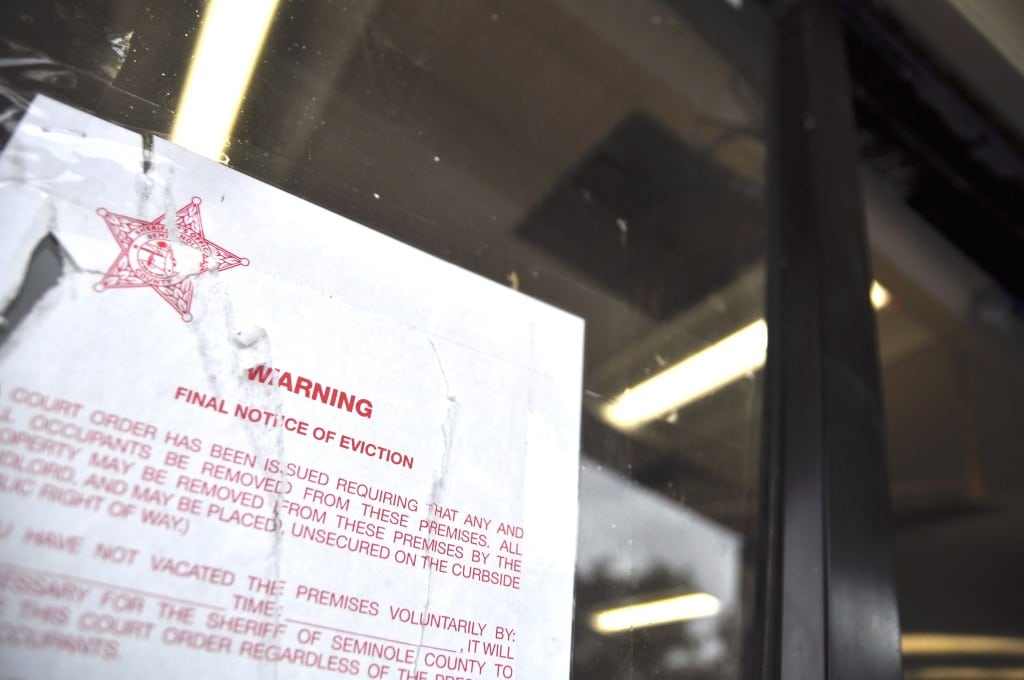
The Code Enforcement Board can levy fines and issue subpoenas when residents break city code – everything from parking violations to major life and safety issues, like an unpermitted propane tank at the former 7-Eleven on Winter Springs Boulevard.
“We have seen a change in the way we enforce code, to where my code inspectors are wearing body armor and they’re going to have body cameras in a couple months,” said Winter Springs Police Chief Matt Tracht. “That’s unheard of. Nobody likes the police, but they really don’t like code enforcement coming on their property.”
Tracht was advocating for another method than a citizen board to judge cases, allowed under state and city law: a “special magistrate.” This is an attorney who acts in a quasi-judicial way and makes decisions about the fines.
Tracht said it’s about protecting the safety of Code Enforcement Board members. He described a hypothetical situation of someone targeting a board member for levying fines, which in some rare cases have gone over $100,000 and even over $1 million in some areas of Florida.
“Safety is probably my No. 1 concern,” Tracht said. “We’re using our residents to levy fines on their peers.”
But the city’s own Code Enforcement Board members disagreed. Former Chairperson Maurice Kaprow was tasked by the code enforcement board with telling the City Commission that they are happy with the current situation.
Kaprow said he would like to see state lawmakers make an exemption for addresses for code enforcement board members, to hide that information from public records. But that’s a state issue, he said.
And Kaprow said board members are more likely to be compassionate with their neighbors than, potentially, a magistrate who doesn’t live in the city.
“We look at them as a person and try to find out what their issues are and how we can help them get into compliance,” Kaprow said. “Our goal is not to punish. Our goal is not to impose fines or liens. If it takes six, eight, nine months for an individual to come into compliance, because they’re having roof issues and they’re in the middle of a lawsuit, so be it, we’ll work with them.”
The vast majority of code enforcement violations are handled by the city’s police department, and never get to the point of getting fines. In July, for example, 102 code cases were initiated, and there were 70 open cases, but only four of them were referred to the board, and that’s typical.
Earlier this year, Oviedo Community News documented how the new tenant of the former 7-Eleven on Winter Springs Boulevard was issued a stop-work order by code enforcement, but continued working on the site for months. Some members of the Winter Springs Commission wanted to see reforms afterward.
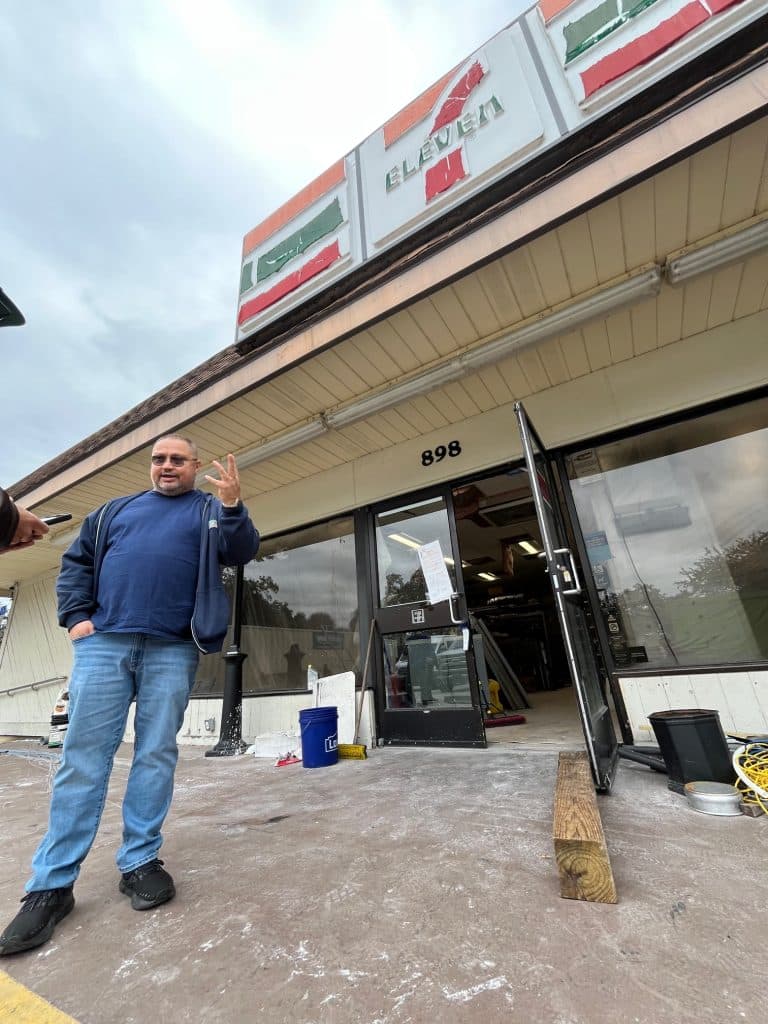
Commissioner Cade Resnick said the issue at the former 7-Eleven was the biggest code enforcement issue the city has seen in recent years.
“The one issue we had over the last 18 months was a big deal,” Resnick said, referring to the former 7-Eleven. “But if we take that one issue out, would we be sitting here?”
The city budgeted $10,000 for the magistrate in the upcoming budget. That could be offset with the fines imposed.
“So would you say that, year by year, it would pay for itself?” Commissioner Mark Caruso asked.
“It could absolutely, yeah,” Tracht replied.
Winter Springs Mayor Kevin McCann said the city shouldn’t be talking about using fines to pay for the magistrate.
“We don’t want to be setting quotas,” McCann said. “We don’t want to be trying to get money from our residents and these penalties to offset budgets. Those fines are a last resort. For me, from my comfort level, I don’t think we should be having those conversations at the same time.”
Kaprow made the same argument: Using a volunteer board is free, although the city does have to pay for the city attorney’s time to advise the board.
“We have seven volunteers – seven people who want to serve the city,” Kaprow said. “Please. We are doing the job. We’ve been doing it. You’re not going to gain anything by a special magistrate. All you’re going to end up doing is expending city funds in a budget year when city funds are very very precious.”
Ultimately, the motion failed, with Caruso and Commissioner Paul Diaz voting to move to the magistrate. Commissioners Sarah Baker, Victoria Bruce and Resnick voted to keep the existing Code Enforcement Board.
Baker hesitated for several moments before casting her vote. During discussion, she said she was conflicted on the issue. She said there have been issues of inconsistencies on the board.
“Maybe it’s two identical situations: Both people show up, both people have the same problem, but it’s been six months or a year in between those two citations, and they’re treated differently,” Baker said. “So I would have to assume that a magistrate would have a little bit better record-keeping and how these things are handled. But I also don’t want to discount the fact that our neighbors are looking out for each another.”
Budget passes
In other news, the Winter Springs City Commission passed a preliminary vote for a tentative budget and millage rate that’s lower than last year.
The final vote on the property tax rate and budget will be Monday, Sept. 28 at 6:30 p.m. The budget is expected to be a tight vote, and commissioners had to cut more than $400,000 from the budget this year because a new state law requires a 4-1 vote to approve a tax rate that brings in any additional revenue over the year prior, even if that requires a tax rate cut to comply.
City staff started working on the budget in February, and typically have meetings with commissioners on budget proposals as early as May. The city officially releases its tentative budget on July 1, and held a workshop with commissioners July 13.
Commissioner Victoria Bruce questioned several expenditures in the budget, prompting an exchange with the mayor.
“The primary reason of our positions [is] to do this with a fine-tooth comb,” Bruce said. “Last year when I messed up and I started bringing conversation up on the second reading, everybody laughed at me. And so here I am doing it on the first reading, and you’re still upset. So I don’t know how to do this.”
McCann said they get the budget in July and have public workshops. The time to address specific line-item expenditures is during private meetings with staff and at public workshops – not during the final votes on the budget.
“Do it in your meetings in the months prior, during workshops, and in the months prior to that final two votes,” McCann said.
Abe Aboraya is a Report for America corps member.
Want to contact your elected leaders and weigh in on this topic? Find their contact information here. Have a news tip or opinion to share with OCN? Do that here.
Support critical, local news you rely on to stay informed, connected and empowered.
Choose a monthly amount
Hometown Hero
Community Champion
Rooster Society
Custom Amount
Thank you for your support!
Author

Related Articles

Attempted coop: Winter Springs makes first move to allow backyard chickens
Final vote at the end of the month to allow up to 20 backyard chickens in certain areas, but some residents want the city to wait.
Seminole County approval could pave the way for 300+ apartments near Lukas Nursery
Greeneway Preserve still needs a detailed site plan before construction would start, as commissioners warn the area is ‘prone to flooding.’

Watchdogs warn Amendment 3 may cut funding for flood control and drinking water
Florida’s water management districts depend on property taxes to fund about a third of their work preventing floods, securing the drinking water supply and conserving wetlands.