
Vote next week could help pull former Pappy’s Patch from rural boundary
Developer Chris Dorworth is ultimately looking to build 136 single-family homes in a move conservationists call a fight over the future of Seminole County’s rural boundary.
Developer Chris Dorworth’s proposal to pull the former Pappy’s Patch property out of the rural boundary to clear the way for 136 single family homes in the Black Hammock gets its first vote next week.
The Seminole County Planning and Zoning Commission will meet Wednesday, Oct. 7 at 6 p.m. at the County Commission chambers in Sanford. The address is 1101 E. 1st St. in Sanford.
The meeting is expected to bring out dozens of speakers on the project. Ultimately, the Planning and Zoning Commission will make a recommendation, and the Seminole County Commission will then discuss and vote on the project – and a recent change to the county’s Charter would require four commissioners’ votes of support to pull the property out of the rural boundary.
“It’s not a fight over Pappy’s Patch,” said David Bear, a Winter Springs attorney who works with Save Rural Seminole. “It’s a fight over the future of the rural boundary.”
Calls and text messages to Dorworth were not returned before OCN’s press deadline.
Activists warn removal could spur other developments
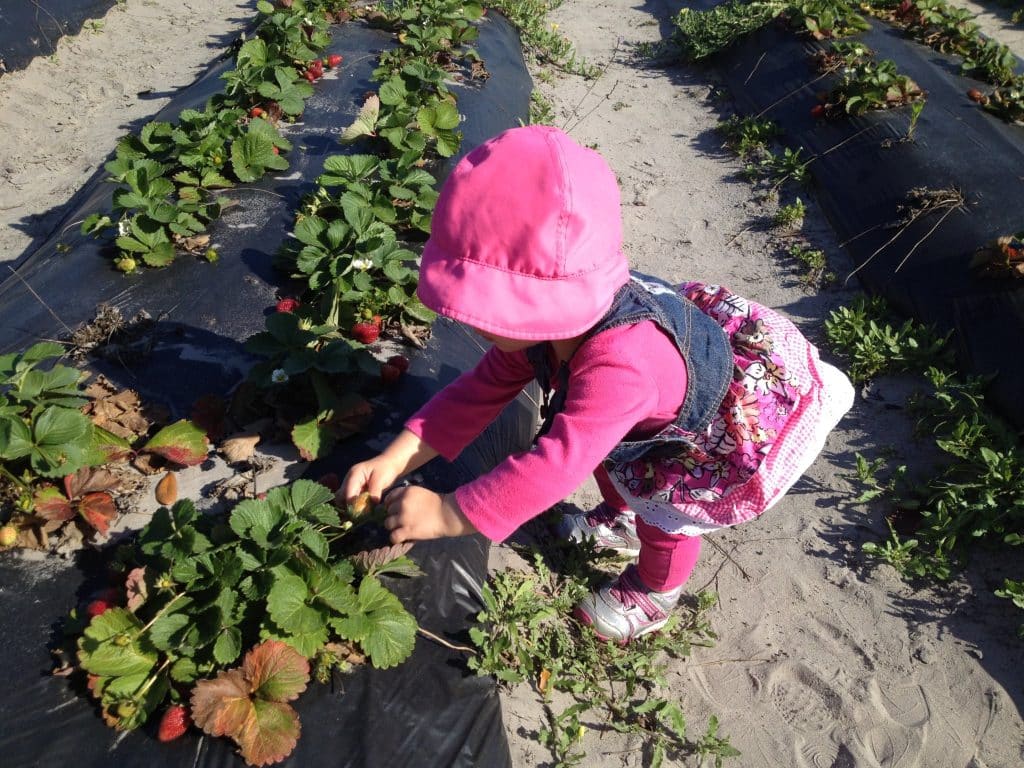
So what exactly is being proposed for Strawberry Lane, on the former Pappy’s Patch, a former self-service strawberry farm?
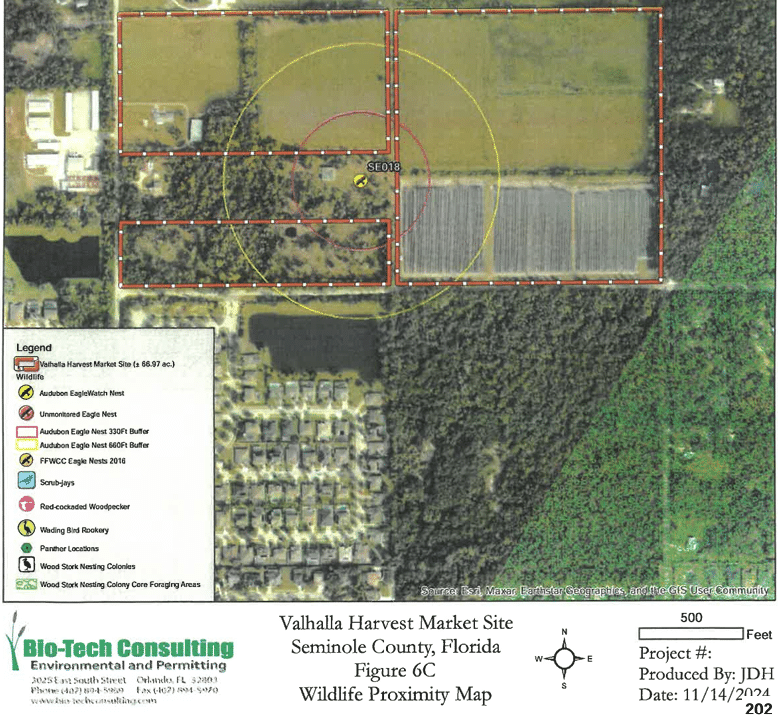
The 67-acre property is currently zoned agricultural, and could be developed into housing – a 17-home subdivision. But Dorworth is asking for the property to be pulled out of the rural boundary and to be developed at the higher density of the nearby Preserve at Black Hammock and Southern Oaks neighborhoods.
Using those ratios, Dorworth is proposing a maximum of 136 single-family homes on 80-by-125-foot lots; 25% of the 67 acres would be open space, and stormwater would be handled with a 15-acre pond on the site.
In his application, Dorworth cited state population growth data as justification for more housing in the county.
Dorworth wrote that if the county wanted, he would go up to 7 homes per acre on the project to help meet affordable and attainable housing goals.
“Should the Board prefer attainable housing over parity, the Applicant stands willing to commit to up to approximately 469 attainable homes,” Dorworth wrote.
Want to contact your elected leaders and weigh in on this topic? Find their contact information here. Have a news tip or opinion to share with OCN? Do that here.
Bear said the specific 67-acre site shouldn’t come out of the rural boundary on its own. But taking out the property will, he said, lead to other property development as a precedent. He pointed to Senate Bill 686, which allows the owner of an agricultural enclave to submit development plans for single-family residential housing consistent with the adjacent parcels.
Under the bill, “local governments may not enact or enforce a law or regulation for an agricultural enclave that is more burdensome than for other types of applications for comparable uses or densities.”
Bear said pulling the parcel could have a snowball effect.
“If you take this property out of the rural boundary, under the new Agricultural Enclave law that Tallahassee and our illustrious state representatives have saddled us with, the adjacent properties will be eligible to meet the definition of an agricultural enclave, which will require that they are upzoned as well,” Bear said.
However the Planning and Zoning board votes next week, the final decision will come from the County Commission. If it’s denied there, the next steps would likely be a lawsuit or an appeal to state lawmakers to overturn the rural boundary.
The county’s staff is not recommending that the Planning and Zoning commission approve the removal of the property from the rural boundary.
“Staff recommends the request be denied due to insufficient data and analysis to support removal from the Rural Area,” staff wrote in documents, which you can read here.
Abe Aboraya is a Report for America corps member.
Support local news!
Choose a monthly amount
Hometown Hero
Community Champion
Rooster Society
Custom Amount
Thank you for your support!
Author

Related Articles

What are the three proposed constitutional amendments in Florida?
One Florida constitutional amendment would allow the state to raise saving levels for its rainy day fund, another would cut taxes on agricultural equipment and a third would reduce property taxes, but two of them would reduce state and local revenues.
Seminole County approves $1.27 billion budget – without Flock cameras
One resident would rather the county put savings ‘back to residents’ ahead of property tax vote.
Seminole County could lose 475 police, fire workers if Amendment 3 passes
Property tax reform a ‘threat’ to public safety, as officials predict longer 911 response times, loss of ‘no-kill’ shelter status for pets if Amendment 3 passes.