
Seminole County students and the virtual school question
Increasing Seminole County virtual school enrollment numbers leave teachers and administration concerned about academic performance.
This article is brought to you by Hagerty High School’s student-run newspaper, The Blueprint, through a partnership with Oviedo Community News called the Cub Reporter Program, which seeks to amplify young journalists’ work and their service to the community. You can also find this article on The Blueprint’s website.
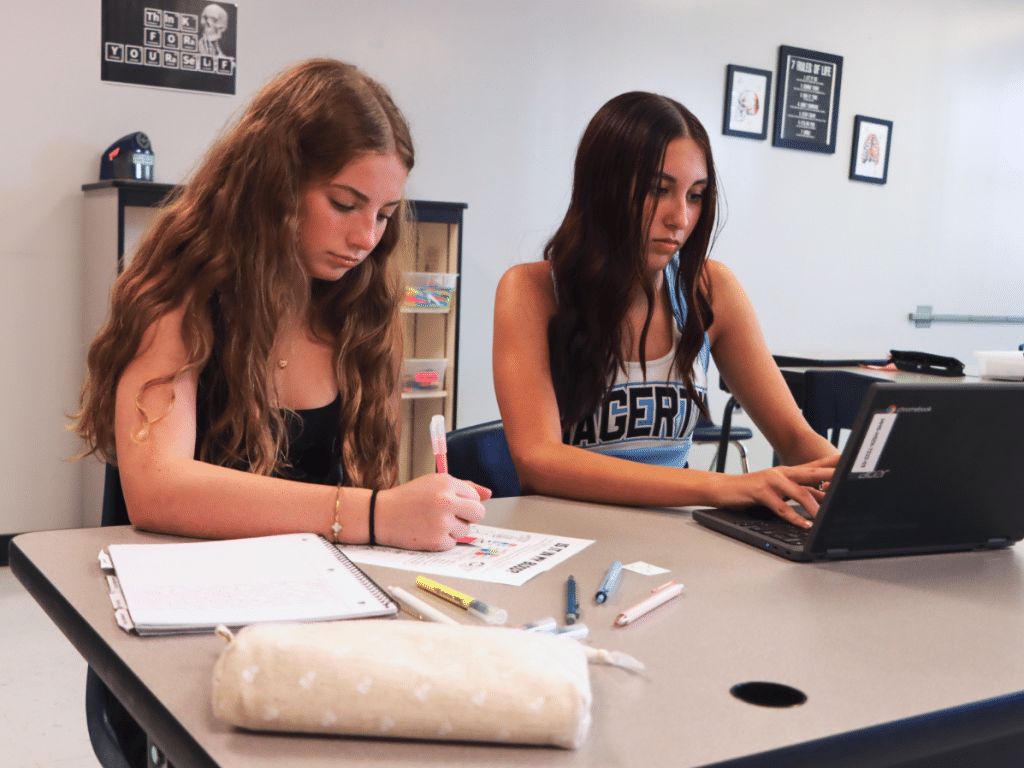
When it comes to choosing between staying for sixth period English versus cruising home to learn the same material on the web, many students readily choose the latter.
Among the 2.9 million students enrolled in Florida public schools, 250,000 take classes through Florida Virtual School. In Seminole County, a significant number of students take Seminole County Virtual School. Unlike in-person learning, virtual school has no set class schedule, allowing students to do classwork at their own pace. Because of this flexibility, many students choose to replace early or late periods with these classes to shorten their school day.
Despite FLVS and Seminole County Virtual School’s convenience on the student end, Principal Robert Frasca worries that, in practice, students may end up learning less.
“If the students are doing the thinking, that’s really what’s important,” Frasca said. “That’s what’s important in a face-to-face class, and that’s what’s important in a virtual class. If students are just googling, and now using AI to get answers, and they’re really not doing the work and they’re not thinking, then they’re not learning.”
While online grades might earn an easier “A”, the learning gap shows up in end-of-year testing. Of the 32 students who took standard United States History through FLVS, only 13 passed the End of Course Exam, a 41% pass rate among standard students. Compared to an 87% overall pass rate from Hagerty on the same exam (including honors and AP classes), teachers and administration suspect that when in a home learning environment, more students learn and complete assignments for a grade, and retain less material in the long-term.
“I’ve seen so many people that are just pulling their phone out, going on Snapchat AI,” senior Daniel Aviles said. “And it’s for easy classes too. I see people doing it for government. Easiest class ever. I don’t know why you’re using AI in government.”
While it is true that virtual classes give students more opportunities to access online resources to aid their learning, there is a great deal of evidence that online learning directly inhibits students’ ability to learn and grow.
In the English Language Arts department, the Florida Assessment of Student Thinking (FAST) test is taken three times a year by freshmen and sophomores, and is used to quantitatively show growth in student understanding. If a student increases their FAST score throughout the year, this is called a learning gain. In the 2025-2026 school year, 26 students took honors ELA through virtual classes, and 12 improved their scores. Compared to the 46% of virtual students who made a learning gain, 68% of Hagerty students taking honors and standard classes achieved the same.
Lower test performance from virtual students is not exclusive to United States History and ELA exams, but the same pattern is also seen in AP exam scores.
“They’re doing lab simulations instead of playing with soil [and] doing actual water tests that field environmental scientists use.”
— Ashley Camden, teacher
AP students who take classes online often perform worse on exams than in-person students. 100% of AP Precalculus students passed the AP exam with a 3 or higher, while only 57% of virtual students passed. This is a trend in many AP classes. AP Microeconomics had 86% of in-person students and 46% of virtual students pass the exam; AP Computer Science A had 100% of in-person students and 72% of virtual students pass the exam and AP Human Geography had 93.5% of in-person students and 33% of virtual students pass the exam.
AP Environmental Science and AP Biology teacher Ashley Camden has observed similar patterns in her classes, and points to the physical limitations of virtual schools to explain these lower scores.“[Virtual] students miss the hands-on learning,” Camden said. “They’re doing lab simulations instead of playing with soil [and] doing actual water tests that field environmental scientists use. They also miss collaboration with peers, and they miss feedback from me throughout the experience.”
Similarly, Spanish teacher Yvette Rhode cites that students in her class who took Spanish virtually typically learned different material from the course she teaches, sometimes leading to students struggling.
“They may have to study a little bit harder than their peers, but they can definitely make it up if they are hard workers. I don’t think [virtual students are] pushed to memorize as well, so they can’t come up with [answers] quickly unless they look at their notes or something like that.” – teacher Yvette Rhode
Virtual school, despite unique challenges these students may face, can alleviate the workload students carry and provide a greater quality of life. In his senior year, Daniel Aviles opted to take Math for College Liberal Arts through virtual school.
“I feel happier for once in my life, not as stressed,” Aviles said. “You can finish a whole course in a month if you really wanted to.”
“Most of the students know they’re not learning, I think it is becoming more strategic which courses [should be] taken virtually because of that.” — Carolyn Guzman, teacher
Despite the convenience of virtual school, students repeatedly perform lower than their in-person counterparts. Teachers believe that students prioritize classes they deem important by taking them in-person, while freeing up their morning and afternoon schedules by taking other classes virtually.
“I know from just hearing my kids what courses they think [are] worth [taking virtually], and most of the students know they’re not learning,” AP Calculus AB and BC teacher Carolyn Guzman said. “They have to decide which subject is important for them, and I think [many students are] becoming more strategic [about] which courses [should be] taken virtually because of that.”
Support local news!
Choose a monthly amount
Hometown Hero
Community Champion
Rooster Society
Custom Amount
Thank you for your support!
Related Articles
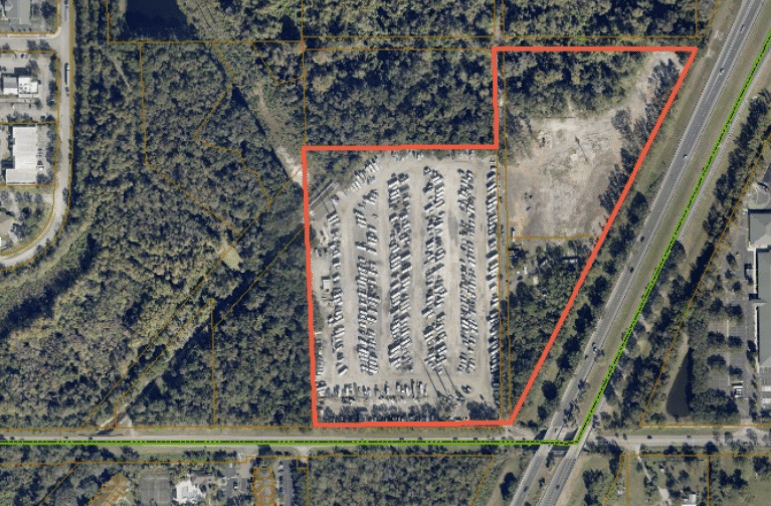
Apartments, townhomes on Seminole County agenda next week
Seminole County Commissioners could weigh in on two developments, including apartments near Lukas Nursery
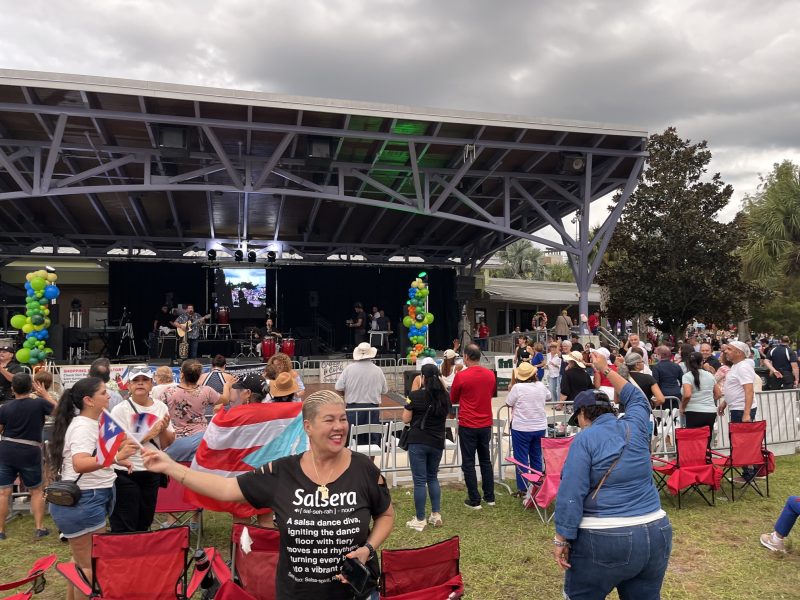
Viva Oviedo! Festival gets special permit for upcoming event
An impassioned plea following months of delays and communication issues led to big changes for a major event in Oviedo.
The volunteer-run Viva Oviedo! Festival that celebrates Hispanic heritage saw thousands of people attend its inaugural event in October 2025. It’s set to take place again at Oviedo on the Park on Oct. 17. Organizers had hoped this year’s festival would be in partnership with the city, but despite having ongoing conversations with city officials since at least March, no decisions had been made until the Oct. 5 City Council meeting.
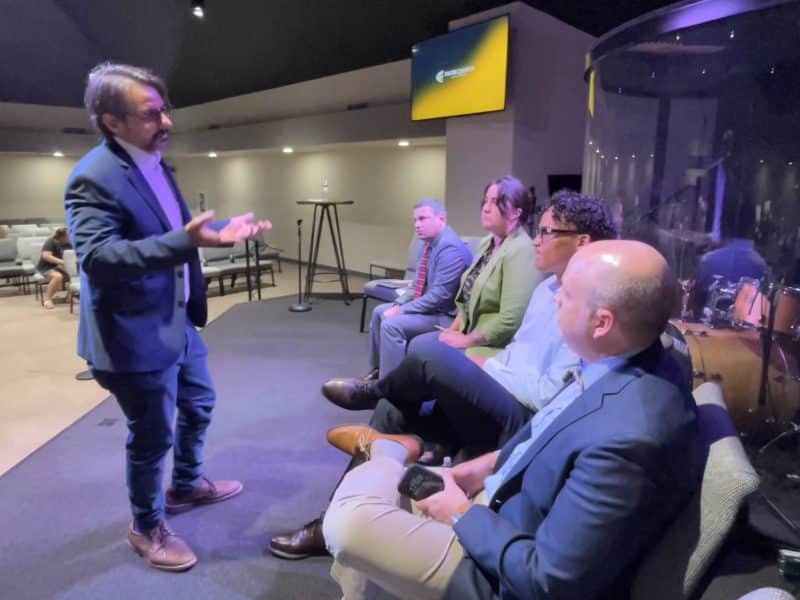
Watch Florida House candidates field questions from kids
At PTA forum, candidates with districts in Seminole County answered questions about a lack of librarians, book bans and recess