
Fowl play: Winter Springs approves backyard chicken program
Only one Winter Springs Commissioner voted against allowing residents to keep chickens in their backyards, and he didn’t explain why. Seminole County keeps a tighter leash on chickens, but they’re allowed.
The City of Winter Springs has approved a backyard chicken program that’s more restrictive than in neighboring Oviedo, but less restrictive than Seminole County.
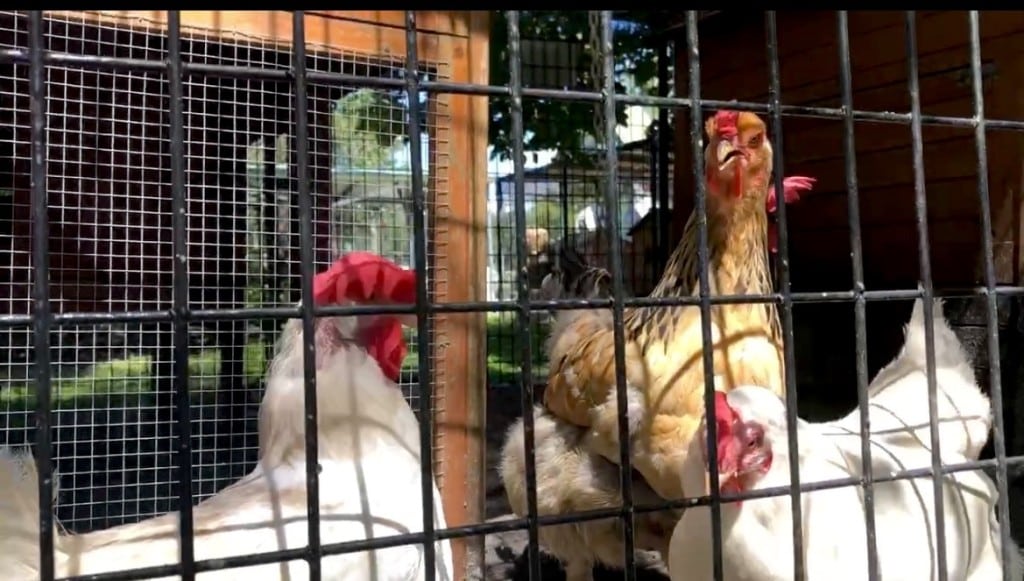
Commissioner Sarah Baker, who has her own backyard chickens under an existing loophole in city law, spearheaded the effort.
“I got a couple questions over the last couple weeks regarding safety, predators, things like that,” Baker said. “I wanted to reassure everyone there [are] protections in the code for sanitation and best practices for predator care, to keep them away from chickens. … We’re doing our due diligence to make sure that both the people that want chickens and the people that don’t want chickens have a happy ground.”
What the Winter Springs backyard chicken program would look like
Residents could soon be allowed to have up to 20 backyard chickens, depending on how big their lot is.
The owners would be limited to female chickens (hens) only – no roosters, because of the noise. And other livestock are prohibited, so no ducks, geese or goats.
Residents would need a chicken coop and a fenced and covered area for the chickens to roam in. And nothing stops a homeowner’s association or restrictive covenant from blocking chickens.
“Persons keeping backyard chickens are completely and solely responsible for compliance with all applicable restrictive covenants and homeowners association rules and regulations,” the ordinance reads.
Additionally, the chickens must be kept for personal use. People can’t sell chicken eggs, feathers, manure, or breed the chickens.
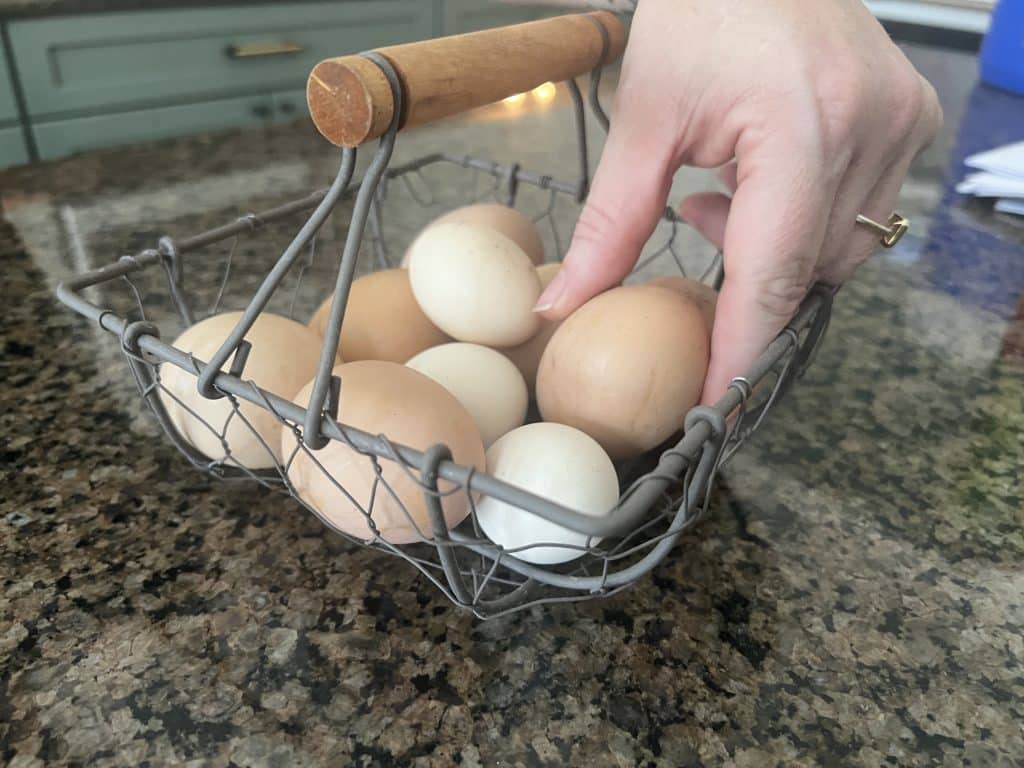
The required chicken coop would have to be in the backyard of the home and screened from the neighbors’ view, either with a fence or landscaping. No permit is needed, unless a chicken coop is more than 120 square feet.
The ordinance is effective immediately.
Oviedo only regulates roosters – through its noise ordinance
Neighboring Oviedo treats chickens differently in city law.
They simply don’t regulate chickens at all; if someone wants to have chickens, they aren’t breaking any laws. The city’s noise ordinance does say that the keeping of any “animal, bird or fowl which by causing frequent or long-continued noise shall disturb the comfort or repose of any person in the vicinity” would be a violation.
“Think roosters,” wrote Oviedo Mayor Megan Sladek. “Many HOAs prohibit chickens, and the city doesn’t have the power to override that, but the state could, in theory.”
Seminole County’s program is more structured. If residents want to have chickens, they must file a permit with the county. It would also apply to occupied single-family homes.
“Up to six backyard chickens may be kept on an occupied single-family residential lot,” the ordinance reads. “Chickens shall not be kept on duplex, triplex, or multi-family properties, or within mobile home/manufactured home parks.”
Chickens: America’s favorite pet bird?
It’s difficult to find exact statistics on how many people have urban chickens.
The U.S. Department of Agriculture conducted the Backyard Animal Keeping study in 2024, surveying residents to see how many kept chickens, pigs, goats and other livestock. Overall, an estimated 6.7 percent of U.S. adults reported keeping some kind of poultry, with an average of 14 birds.
Globally, one report estimated that consumers spent $6.6 billion to feed backyard chickens in 2025, and that figure is expected to grow to $10.24 billion by 2034. That does not include feed used by commercial poultry farmers.
Some residents raised questions at the City Commission meeting about the size of lot needed to have chickens.
Commissioner Paul Diaz was the lone no-vote against the backyard chicken program. He didn’t explain his no vote.
Abe Aboraya is a Report for America corps member.
Support critical, local news you rely on to stay informed, connected and empowered.
Choose a monthly amount
Hometown Hero
Community Champion
Rooster Society
Custom Amount
Thank you for your support!
Author

Related Articles
Watch: Winter Springs election candidates talk water quality, Amendment 3 and controversies
Oviedo Community News is adding video interviews with candidates from Oviedo, Winter Springs, Seminole County and beyond to its 2026 voter guide.
McCann, Phillips debate in election for Winter Springs mayor
Mayor Kevin McCann touts a water association award that Winter Springs won this month in a blind taste test involving six Central Florida counties.

Development, explained: How local governments plan for growth
How Oviedo, Winter Springs and Seminole County plan for growth, determine what can be built and navigate Florida law.